

 Billy Bagus
 Jan 09, 2026
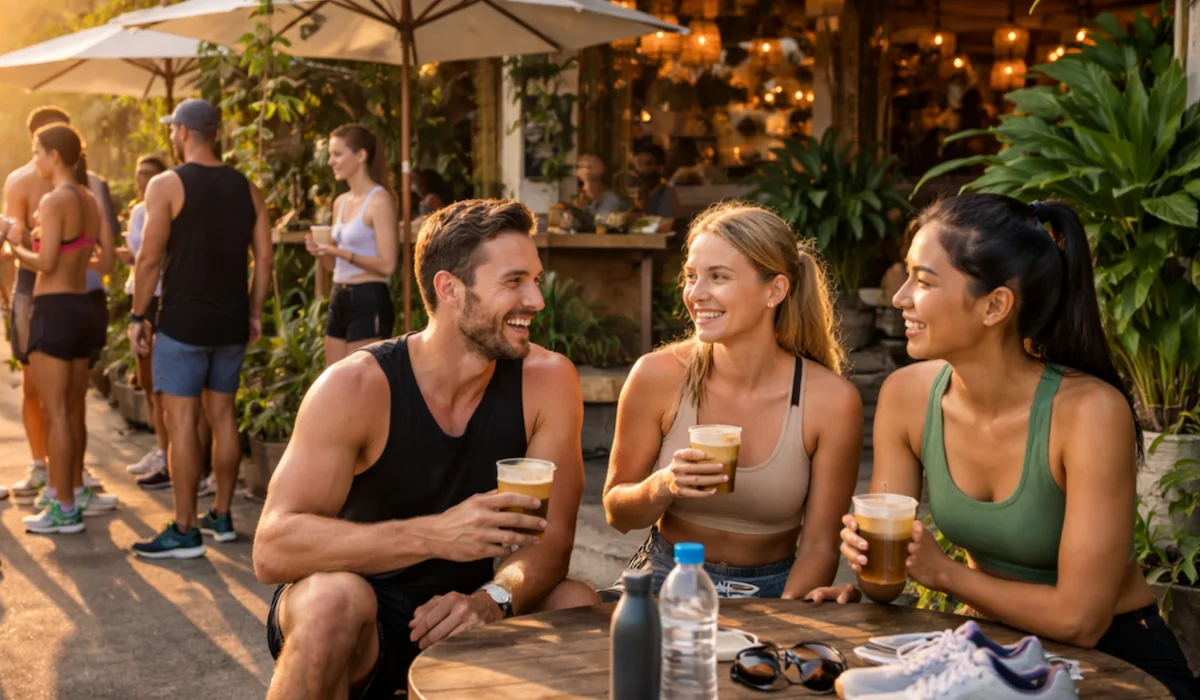
Meeting people in real life has quietly become harder. Even in places where people live, work, and socialize close together, organic interaction feels increasingly rare. Bali, long known for its openness and ease of connection, is not immune to this shift. Remote work, short stays, and crowded schedules have reshaped how people relate to one another. At the same time, a countercurrent is gaining strength across the island. One that favors presence over performance, routine over novelty, and health over excess. Coffee run clubs have emerged as one of Bali’s most natural responses to modern disconnection.
Coffee Run Clubs have emerged as one of Bali’s most natural responses to modern disconnection.
The Evolution of the Run Club
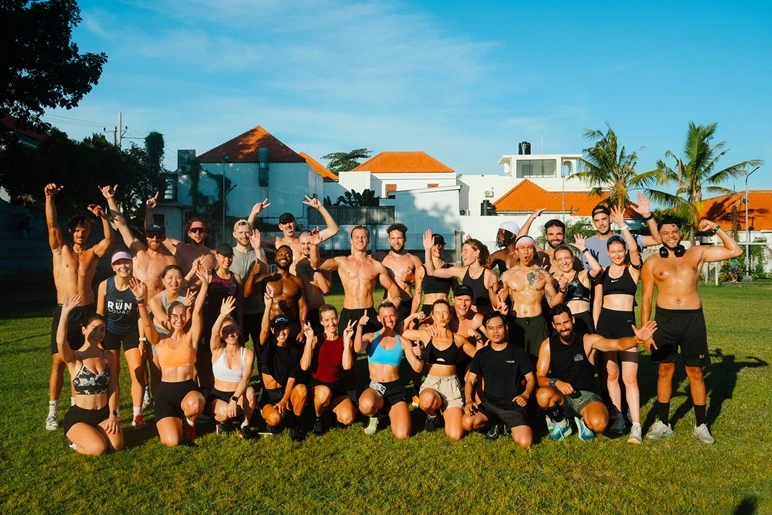
Run clubs are not new, but their purpose has changed. Over the past five years, they have evolved from performance-focused groups into social ecosystems. In Bali, this shift is especially visible. Running has merged with coffee culture, transforming morning workouts into community rituals.
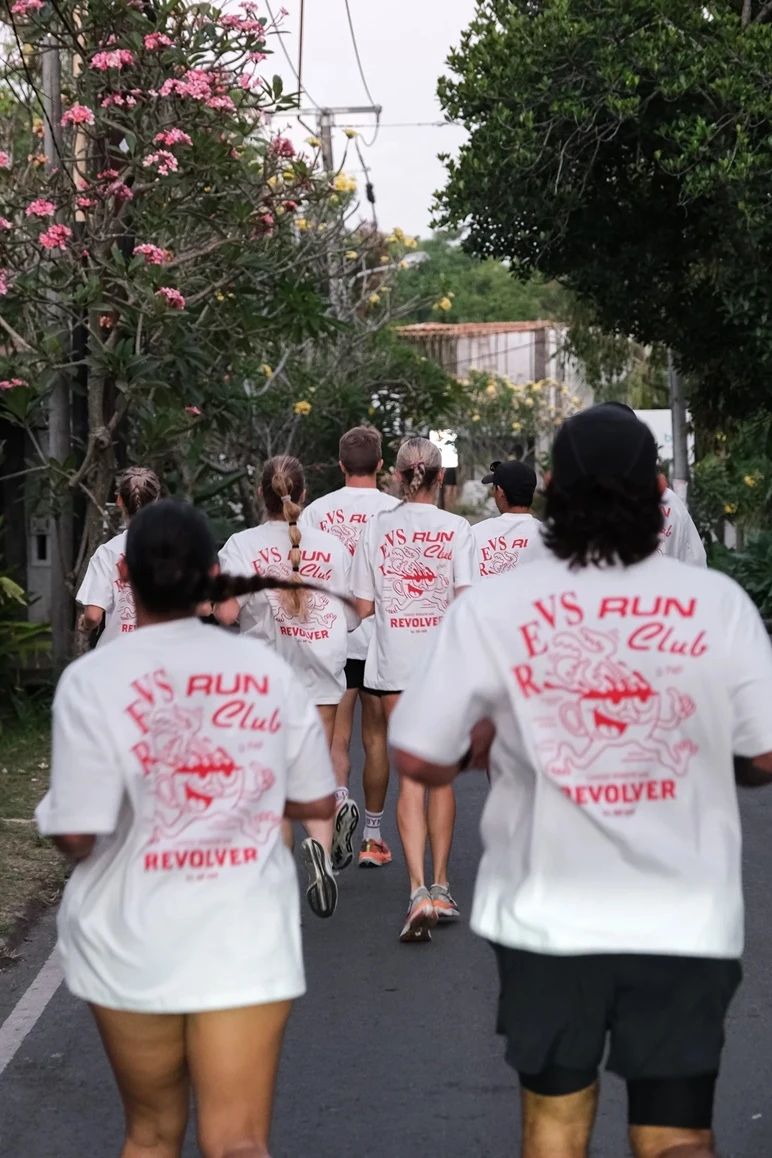
The concept is simple. Move together, start early, end with coffee. No membership fees. No pressure to perform. No late nights required. This accessibility has turned run clubs into social anchors rather than fitness programs.
Why Bali Became the Perfect Setting
Bali’s deep-rooted wellness culture makes it fertile ground for this trend. Movement, mindfulness, and health-conscious living are already part of daily life across the island. Coffee culture is equally ingrained, with cafes functioning as informal meeting points for locals, expats, and travelers.
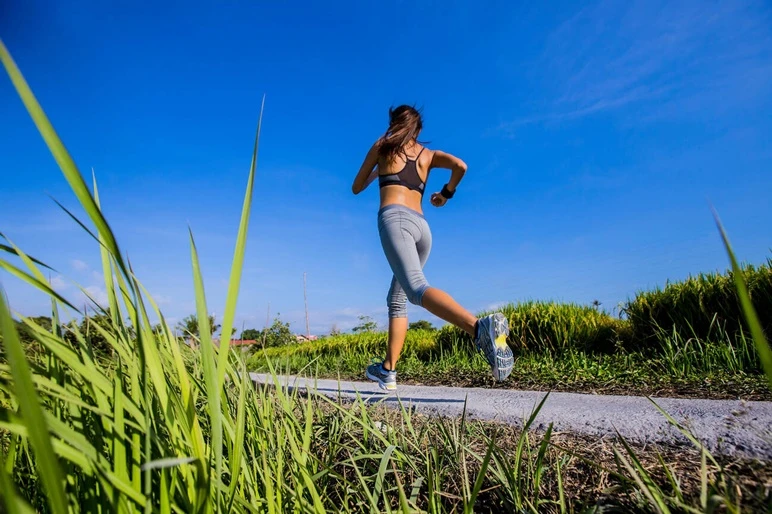
Coffee run clubs sit at the intersection of these habits. They provide structure without obligation and connection without commitment. For newcomers, they offer an easy entry point into social life. For long-term residents, they refresh routines that may have grown repetitive. Importantly, these clubs exist across different parts of the island, creating localized communities instead of centralized scenes.
Coffee After a Run: Healthy Habit or Hidden Risk?
The post-run coffee ritual is central to the trend, but it also raises questions. From a health perspective, moderate coffee consumption after exercise is generally considered safe for most people. Physical activity improves cardiovascular efficiency, and caffeine in reasonable amounts can enhance alertness and mood. Some research suggests that coffee may even support heart health when consumed in moderation, particularly when paired with an active lifestyle. After a run, hydration and recovery come first, but a single cup of coffee does not typically negate the benefits of exercise.
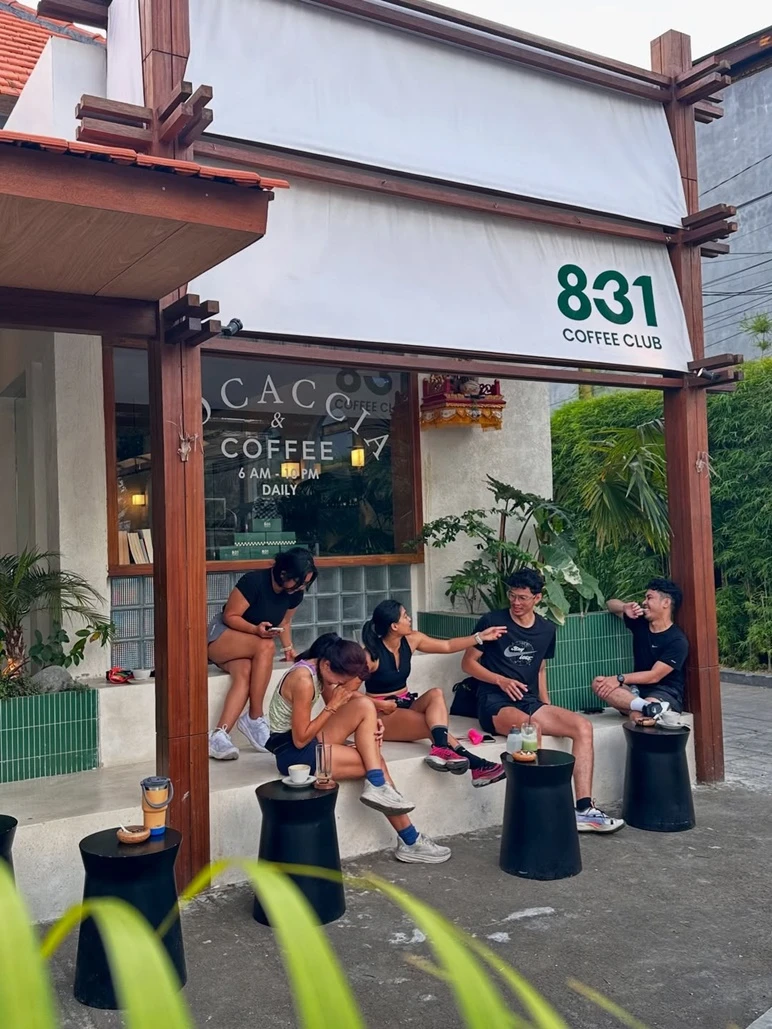
That said, individual responses vary. For people sensitive to caffeine or with existing heart concerns, timing and quantity matter. The key distinction in Bali’s coffee run culture is moderation. These gatherings emphasize one coffee, not excess, and pair it with movement rather than sedentary habits. In this context, coffee becomes a social bridge rather than a health contradiction.
More Than Fitness, Less Than a Party
What sets coffee run clubs apart is their social design. Distances are flexible, paces are guided, and participation is open. The focus leans toward shared experience rather than physical achievement. The post-run coffee moment creates space for conversation and lingering.
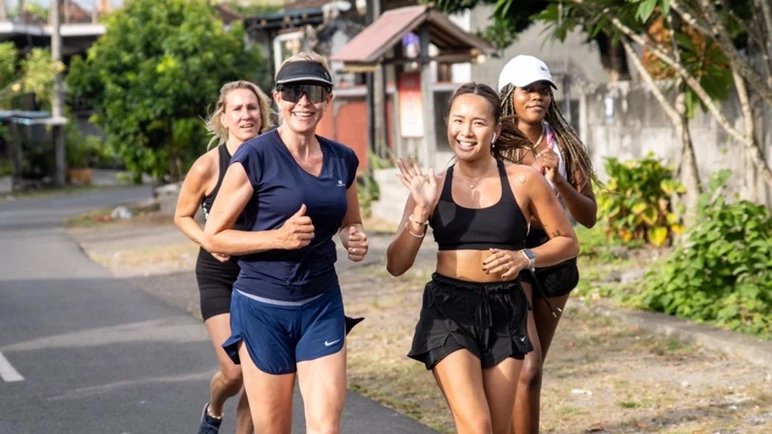
In a social landscape often centered around nightlife and alcohol, this daytime alternative feels intentional and inclusive. For solo travelers, remote workers, and people rebuilding social circles, these clubs function as low-pressure environments where connection forms naturally.
A New Kind of Brand Community
Many coffee run clubs are closely tied to cafes and lifestyle spaces. This relationship benefits both sides. Businesses build genuine communities around their brands, while participants gain a consistent gathering place. This model signals a shift in how brands operate in Bali. Rather than focusing solely on transactions, businesses are investing in experiences that foster loyalty and long-term engagement. Fitness becomes a shared language, coffee becomes the connector, and the venue becomes a hub. The result is a form of community-building that feels organic rather than engineered.
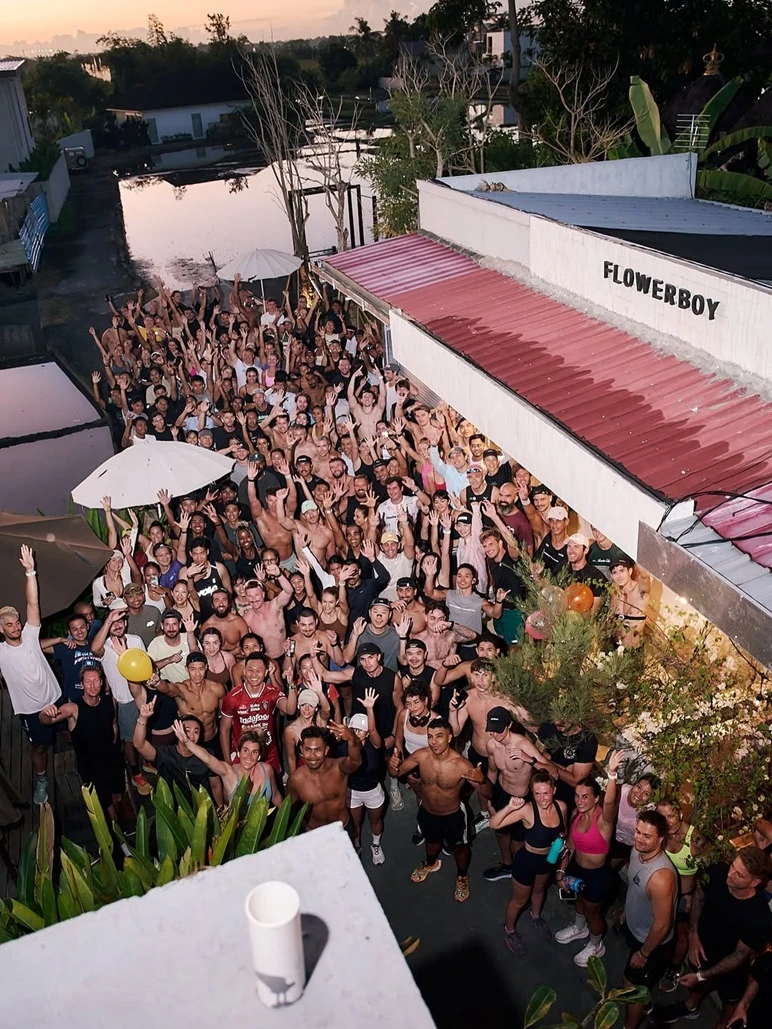
Coffee run clubs reflect a broader cultural recalibration. They suggest that community does not need to be loud, exclusive, or transactional. Sometimes, it starts with a shared sunrise, a short run, and a cup of coffee.