


 Billy Bagus
 Jan 29, 2026
As 2026 unfolds, one travel trend is gaining unmistakable momentum in Bali: cruise tourism. Once a secondary segment of the island’s visitor economy, cruise travel is now positioning itself as a major force shaping how travelers arrive, spend, and experience Bali. The numbers alone suggest a shift that is no longer speculative, but structural.
Once a secondary segment of the island’s visitor economy, cruise travel is now positioning itself as a major force shaping how travelers experience Bali
A Surge That Signals Change
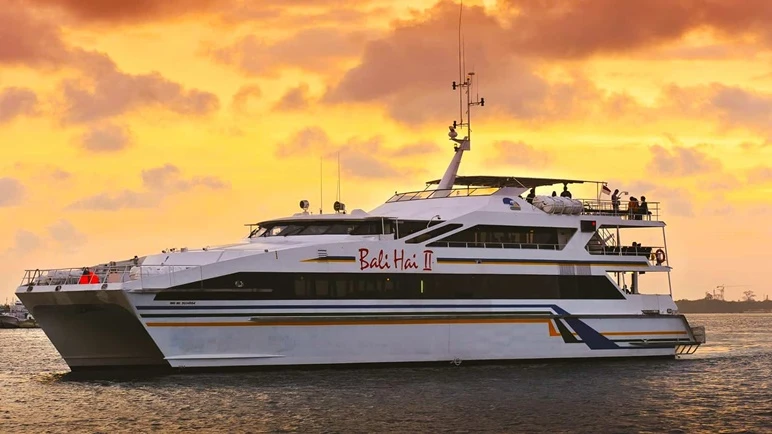
Bali closed 2025 with a record-breaking year for cruise arrivals. Dozens of international vessels docked at Benoa Harbour, bringing more than a hundred thousand passengers and crew to the island. Compared to the previous year, both ship traffic and visitor volume increased significantly, confirming that Bali is firmly back on the global cruise map.
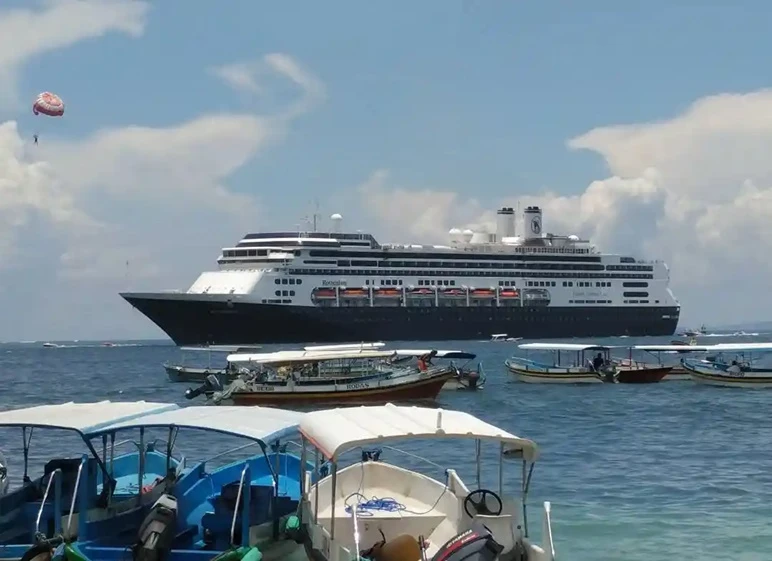
The upward trend is accelerating. Current schedules indicate that 2026 will see even more cruise liners arriving in Bali, including a notable rise in luxury and large-capacity ships. This growth positions cruise travel as one of the fastest-expanding tourism channels on the island.
The Rise of the Bali Maritime Tourism Hub
At the heart of this momentum is the transformation of Benoa Harbour into a fully fledged maritime tourism hub. Extensive redevelopment has enabled the port to accommodate jumbo cruise ships with thousands of passengers on board. Extended docking facilities now allow multiple large vessels to berth efficiently, something that was not possible just a few years ago.
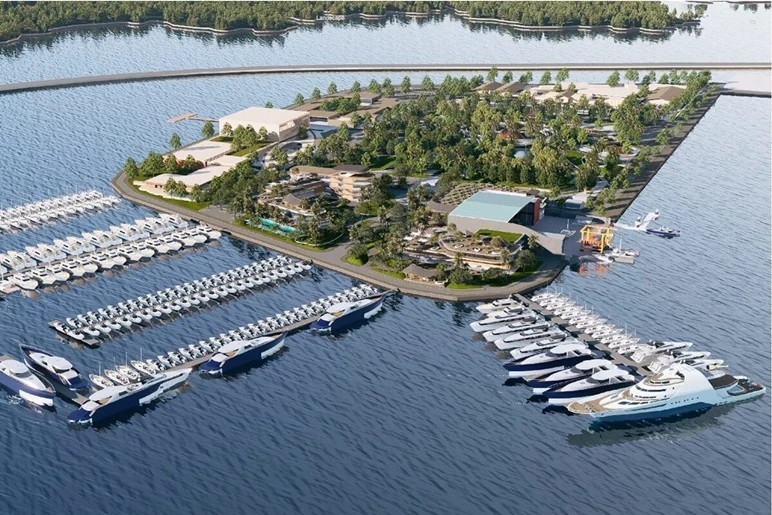
The port’s infrastructure now mirrors international cruise standards. Immigration processing, security screening, medical services, retail zones, transport access, and passenger amenities are all designed to handle high volumes smoothly. This capability is critical as cruise tourism scales up, especially during peak travel months.
Luxury Cruises and the Shift Toward High-Value Tourism
One of the most notable developments is the growing presence of smaller, high-end cruise ships alongside mega liners. These vessels typically carry fewer passengers with higher spending power, aligning with Bali’s broader ambition to attract quality tourism rather than sheer volume.
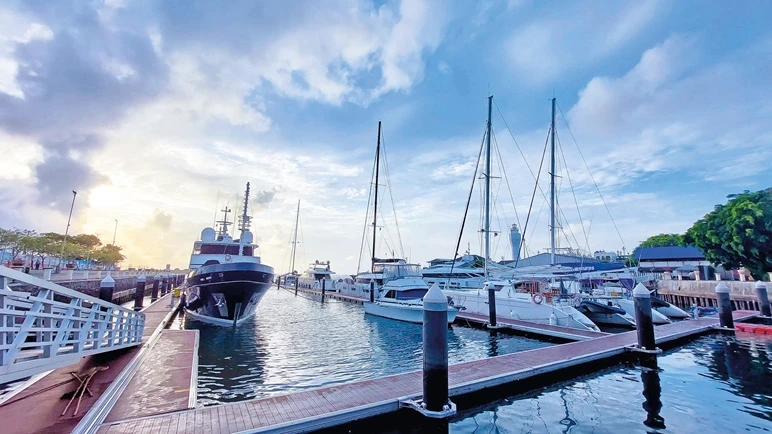
Large cruise ships still play a central role, contributing tens of thousands of visitors in short timeframes. However, luxury cruises bring a different rhythm to the island. Passengers are more likely to book curated excursions, dine at premium venues, and engage with cultural and wellness experiences. This blend of scale and selectivity is reshaping how cruise tourism integrates with Bali’s economy.
Economic Ripple Effects Beyond the Port
Cruise travel does not stop at the dock. Each arrival sets off a chain reaction across transportation, hospitality, food and beverage, tour operations, and small local businesses. Turnaround operations, where passengers disembark and board simultaneously, amplify these effects by concentrating spending into tight windows. For local micro, small, and medium enterprises, cruise passengers represent a valuable audience. Short stays encourage focused spending on crafts, guided tours, wellness treatments, and culinary experiences. Over time, this pattern could rebalance tourism income toward a wider range of communities.
Maritime Tourism as a National Priority
Cruise travel is only one part of a much larger maritime tourism strategy taking shape across Indonesia. Alongside gastronomy and wellness, ocean-based experiences are being positioned as a core pillar of future tourism development. In Bali, this focus feels natural.
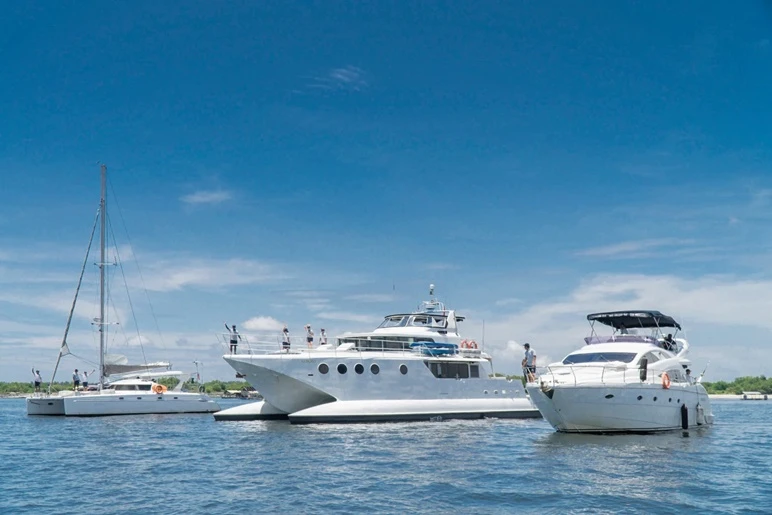
From snorkeling and diving to surfing, dolphin watching, island hopping, and watersports, maritime experiences are deeply woven into the island’s appeal. Cruise tourism acts as both a gateway and a multiplier, introducing new audiences to these experiences while reinforcing Bali’s identity as a sea-oriented destination.
Opportunity or Pressure Point?
The rise of cruise travel raises important questions for Bali’s future. Increased arrivals bring economic opportunity, but they also demand careful management of infrastructure, environment, and community impact. Ports, roads, and attractions must absorb short-term surges without compromising long-term sustainability.
As cruise travel surges into 2026, Bali stands at a crossroads. The island has the chance to redefine how maritime tourism contributes to its economy, not just in volume, but in value. The real story may not be how many ships arrive, but how wisely Bali navigates the wave.