


 Mirella Pandjaitan
 Mar 13, 2026

“My first impression of Ramadan in Jakarta was different, but in a pleasantly gracious manner, as this is my first solo trip during Ramadan in a foreign country,” described Dr. Frah Rukhsar Khan. “I’d say 'serene’ is the best word to describe it.”
Abstaining from food and drink is one approach to Ramadan. Nevertheless, Ramadan is the season to embark on a profound spiritual journey focused on cultivating divine awareness, self-discipline, and deep reflection. This holy month's essence teems with renewal, mercy, and gratitude, as well as accentuating empathy for the needy, heightened devotion, and bolstering community bonds.
Hailing from India and raised in Brunei Darussalam, Dr. Frah has found Malaysia home for over a decade. She wound up in South Jakarta at what most might consider an untimely moment to travel, yet she found the silver lining, coinciding with her passion to explore; gaining international exposure, experiencing the local culture, and taking some much-needed time for personal and professional growth.
“Life in Jakarta has been very peaceful throughout my one-month stay. Rain has been pouring almost every day since my arrival, which creates a soothing atmosphere,” she revealed.
There's a radiant warmth in the air humming the capital city during this season. A collection of slow-burning daytime composure and an absolute explosion of energy as twilight greets… “Takjil” (snack) hunters take over the streets and the scent of sugary concoctions and fried treats intertwine, almost everywhere. As homes and restaurants are brimming with shared laughter and gratitude over “bukber” (iftar), the city transmutes to a soulful ambiance while mosques gleam for prayers.
“The iftars here are extremely lively and enjoyable, with a lot of food options and a strong sense of togetherness. Ramadan markets are colourful and full of local snacks, which makes the experience exciting. Suhoor feels quieter and more personal, creating a calm and reflective start to the day,” elucidated Dr. Frah.
A foreign tourist at Gili Trawangan, West Nusa Tenggara thought otherwise. She reportedly arrived at a musholla and, speaking in a raised voice, interrupted the ongoing prayers, along with damaging the microphone on the first night of Ramadan. She was triggered due to feeling bothered by the outdoor speakers blasting the recitation. The situation quickly became conducive, with local authorities informing her of the local customs and Ramadan traditions observed by the community.
Whereas, Dr. Frah reckoned the local Ramadan traditions are amusing. She wasn't aware of the incident, but her personal experience was nothing less than stellar. “Since my hotel is near a mosque, I can hear the prayer call and ‘takbir’ all the way to my room. It's truly calming and grounding, helping me stay connected spiritually, especially during Ramadan. It also reminds me of my childhood in Brunei, so it feels nostalgic and comforting,” she reminisced.
“It's also very different how locals wake up for suhoor, with speakers blasting reminders and kids beating drums with utmost energy. I had seen this on Instagram and TikTok before, but experiencing it in real life actually feels very special.”
Dr. Frah suggested, the key is to be more open, respectful, and embracing the local customs at any time (particularly Ramadan). “Indonesians are kind and helpful. Although I sometimes struggle with converting my Malaysian/Bruneian Malay in simple conversations and adjusting to the currency, people are patient and understanding, which I really appreciate,” she giggled.
Her biggest hurdle was keeping in tact with her prayers as she notioned the duration to the next is slightly swifter as opposed to her norm. The day seemed to pass expeditiously - something she had never experienced in India, Malaysia, or Brunei. “At first, it felt like a culture shock, but now I find it lively and interesting because it reflects how dynamic and communal Ramadan is here,” she enthused.
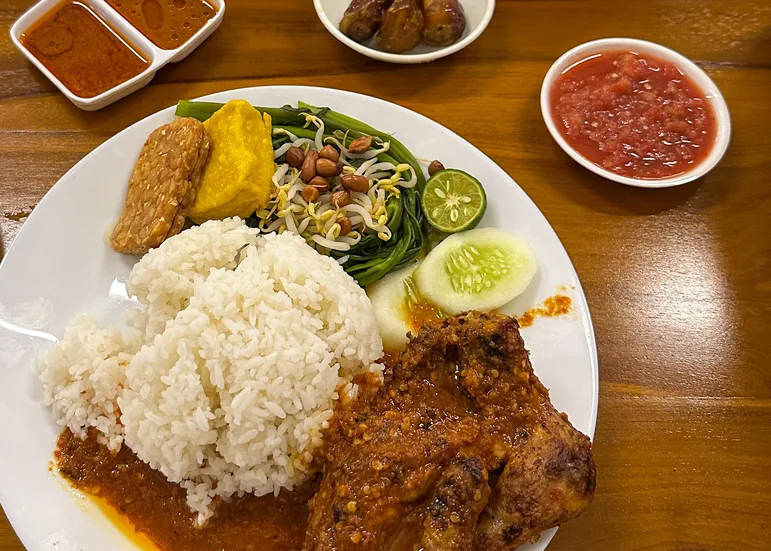
Consuming nutrient dense foods is vital on a daily basis. With Ramadan, more so, it becomes apparent for one to maintain energy, hydration, prevent fatigue, and support digestion in order to ensure focus while fasting. Dr. Frah is a picky eater. One sumptuous meal may strike as heavenly, yet it can backfire her in a mere hour! One Indonesian dish that has never upset her tastebuds nor stomach is none other than Ayam Penyet. She was enlightened to try the original Ayam Penyet to fixate her obsession. To add on her obsession list are Soto Ayam, Sate Padang, Ayam Taliwang, and Nasi Padang.
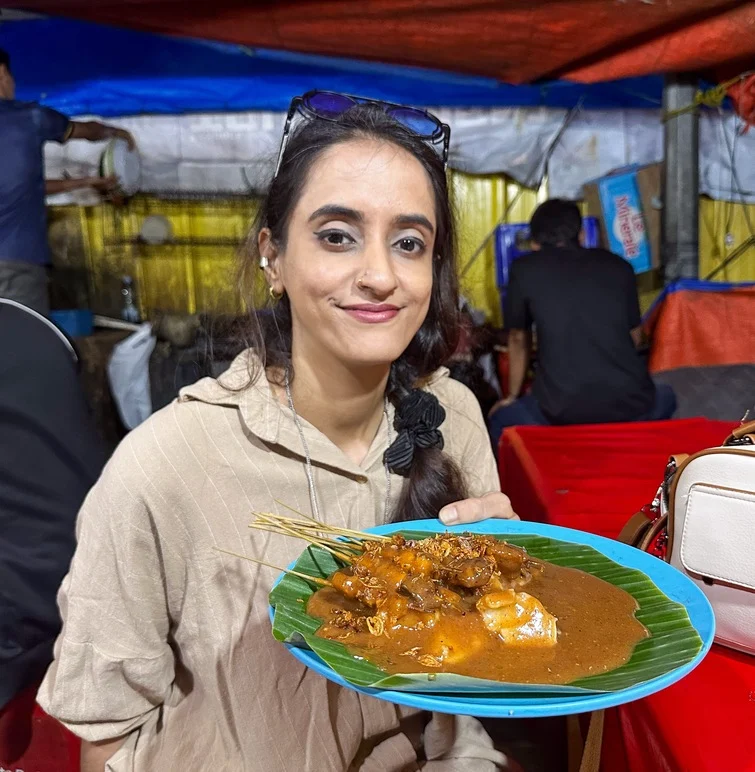
“I miss breaking fast with my family and the familiar home-cooked food back home in Cyberjaya, Malaysia, though. That family setting is nonexistent, but I try to make up for it by exploring the local iftar food, joining the community atmosphere, and appreciating the experience distinctively,” she confessed. “No, it’s not the same, but it has been worthwhile in its own way.”
A significant contrast unfolds between a foreign visitor and an expat observing Ramadan in Jakarta. At least that’s what Dr. Frah conformed. A visitor might experience Ramadan more on the surface, such as the food, atmosphere, and events, while an expat tends to experience it profoundly through daily routines, community interactions, and spiritual practices. She therefore advises foreign visitors and expats not to worry about food because of the ample varieties to choose for iftar and suhoor, especially in the southern part of Jakarta.
“When I fasted in Saudi Arabia during Hajj, Ramadan felt more structured and spiritually intense because the entire environment supports worship. The length of stay and level of involvement really shape how Ramadan is,” she shared.
Dr. Frah’s academic background and involvement in teaching and research, primarily in Mass Communication and Management, had cut her stay relatively short. Her flight scheduled back to Malaysia is in the final countdown leading up to Eid al-Fitr'. “I hope I can spend Eid in Jakarta someday! I had already experienced Eid in Brunei, India, and Malaysia, and it would be interesting to see how it is celebrated here,” she said.
“If you take time to understand the rhythm of Ramadan in Jakarta, it becomes a very meaningful experience.”