

 Rani Permata
 Mar 25, 2026
Why Premium Caviar is the Ultimate Luxury and What Determines the Caviar Indonesia Price
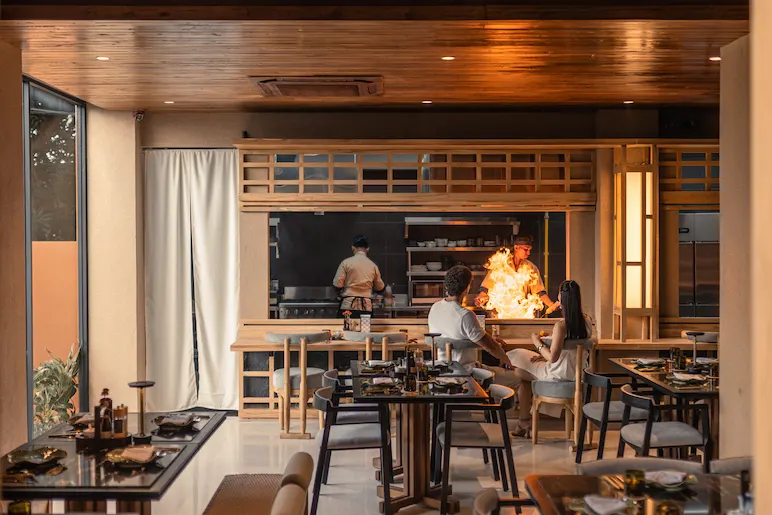
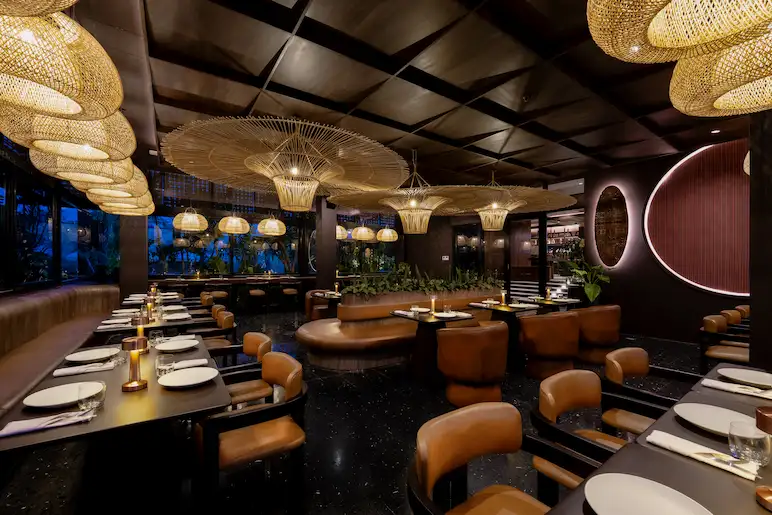
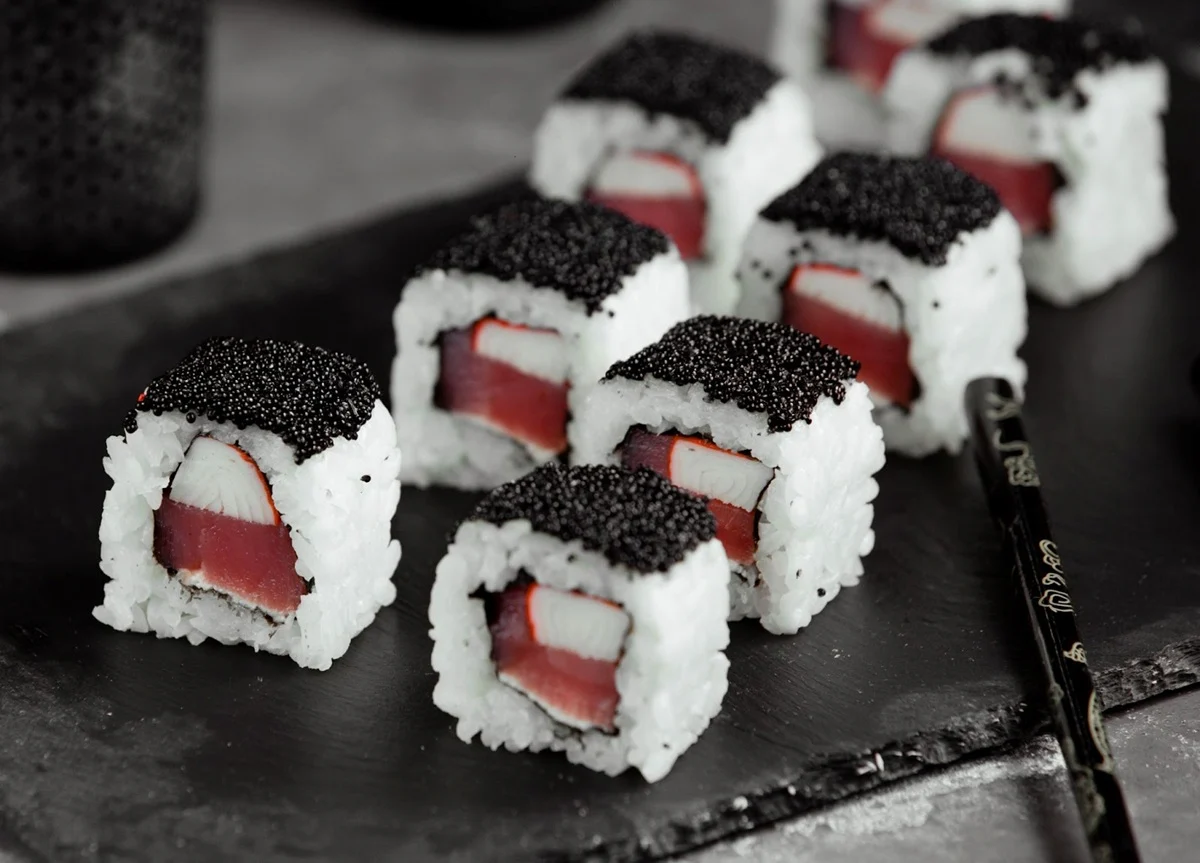
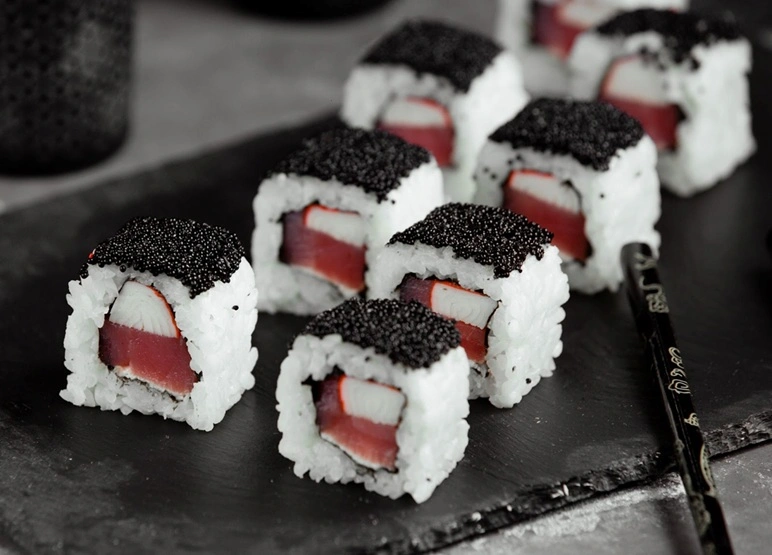
If you’ve spent any time at Jakarta’s top omakase tables or Bali’s most exclusive beach clubs lately, you’ve likely noticed those signature black pearls popping up everywhere.
Caviar has officially moved past the "stuffy wedding appetiser" phase to become the ultimate power move at dinner parties. But for most of us, looking at a menu or a price list triggers one immediate question: what exactly are we paying for?
When we talk about the caviar Indonesia price, we aren't just talking about fish roe. We’re talking about a decade of patience, specialised logistics, and a level of biological rarity that most luxury goods simply can’t match.
Why the 10-Year Wait Matters?
The biggest reason premium caviar in Indonesia feels like such an investment is time. Unlike almost any other food on the planet, you can’t rush the process. A high-quality sturgeon takes anywhere from eight to twenty years to reach maturity before she produces a single gram of roe.
When you order through Caviar Indonesia, you’re essentially buying a ten-year commitment to quality. This isn't mass-produced; it’s a slow-motion masterpiece that requires expert monitoring every single day of that decade. That’s the real "black gold" factor.
What is the Difference Between Real Caviar and Imitations?
There’s a bit of a "wild west" feel to the local market sometimes, with plenty of salty orange or black roe being labelled as caviar. To keep it simple: if it doesn't come from a sturgeon, it isn't true caviar.
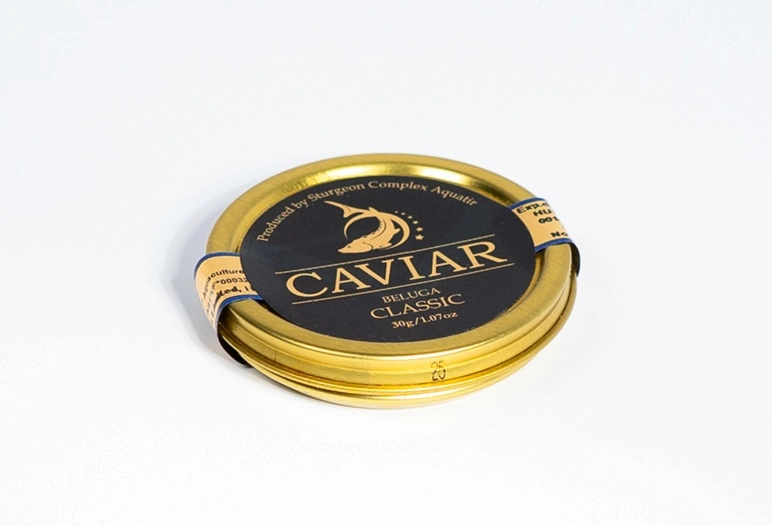
At Caviar Indonesia, the focus is strictly on the elite varieties that connoisseurs actually care about:
Beluga: The heavy hitter. Large, velvety pearls with a buttery finish that lingers.
Ossetra: The chef’s favourite. It’s firmer, with a distinct nutty flavour that pairs perfectly with a crisp glass of Champagne.
Sevruga: Small but mighty, offering that classic, intense briny "pop" that many traditionalists love.
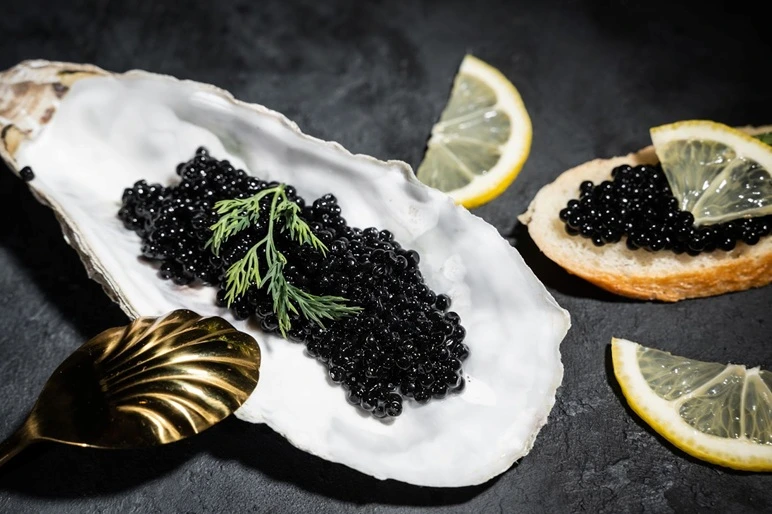
How to Enjoy It In a Modern Way?
The old-school rules are fading fast. While a mother-of-pearl spoon is still the gold standard (metal spoons actually ruin the flavour!), the way we eat it has changed. The "caviar bump"—straight off the back of your hand—is the trend of the season. It’s a clean, fun way to taste the pure oils of the roe without any bread or crackers getting in the way.
Of course, if you’re hosting at home, you can’t go wrong with the classic crème fraîche and blini combo—though a high-end potato chip is the secret "low-high" pairing that Bali’s socialites are currently obsessed with.
How Much Does Caviar Cost in Indonesia?
The price of caviar in Indonesia is currently stable but can spike during the "peak luxury" seasons like Ramadan/Lebaran or year-end holidays due to high demand at fine-dining venues in Jakarta and Bali.
However, current retail data from major Indonesian luxury marketplaces (Tokopedia Premium, Shopee, and specialised importers) shows the following price ranges for 25g–30g tins:
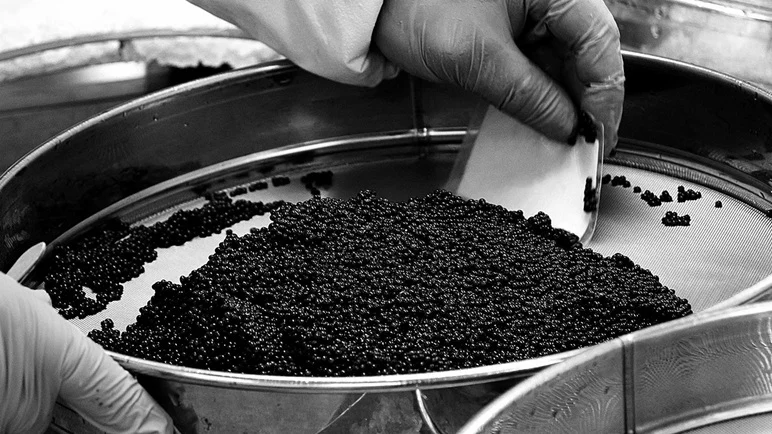
Choose Your Gold Standard for Home
Because caviar is so delicate, the "cold chain" is the most important part of the Indonesian caviar price. It has to stay between -2°C and +2°C from the moment it’s harvested until it hits your tongue.
If you’re looking to gift a client or for the next private event, Caviar Indonesia has become the go-to for sourcing fresh, authentic tins that actually live up to the hype.
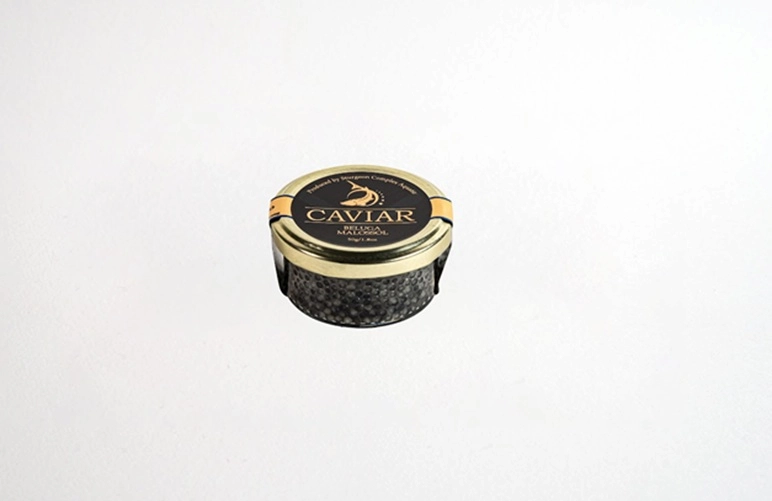
Ready to Bring the Peak of Luxury to Your Table?
Don’t settle for imitations when you can have the real thing delivered with professional-grade care. Whether you’re a seasoned pro or just curious about your first "bump", the team at Caviar Indonesia is here to help you choose the perfect tin.
Get in touch with Caviar Indonesia for personalised advice or to view their full collection.
Official Website: www.caviar.id
Call: tel:+628123894471
Email: [email protected]