


 Vincentius Alvin Yoga
 Mar 05, 2026
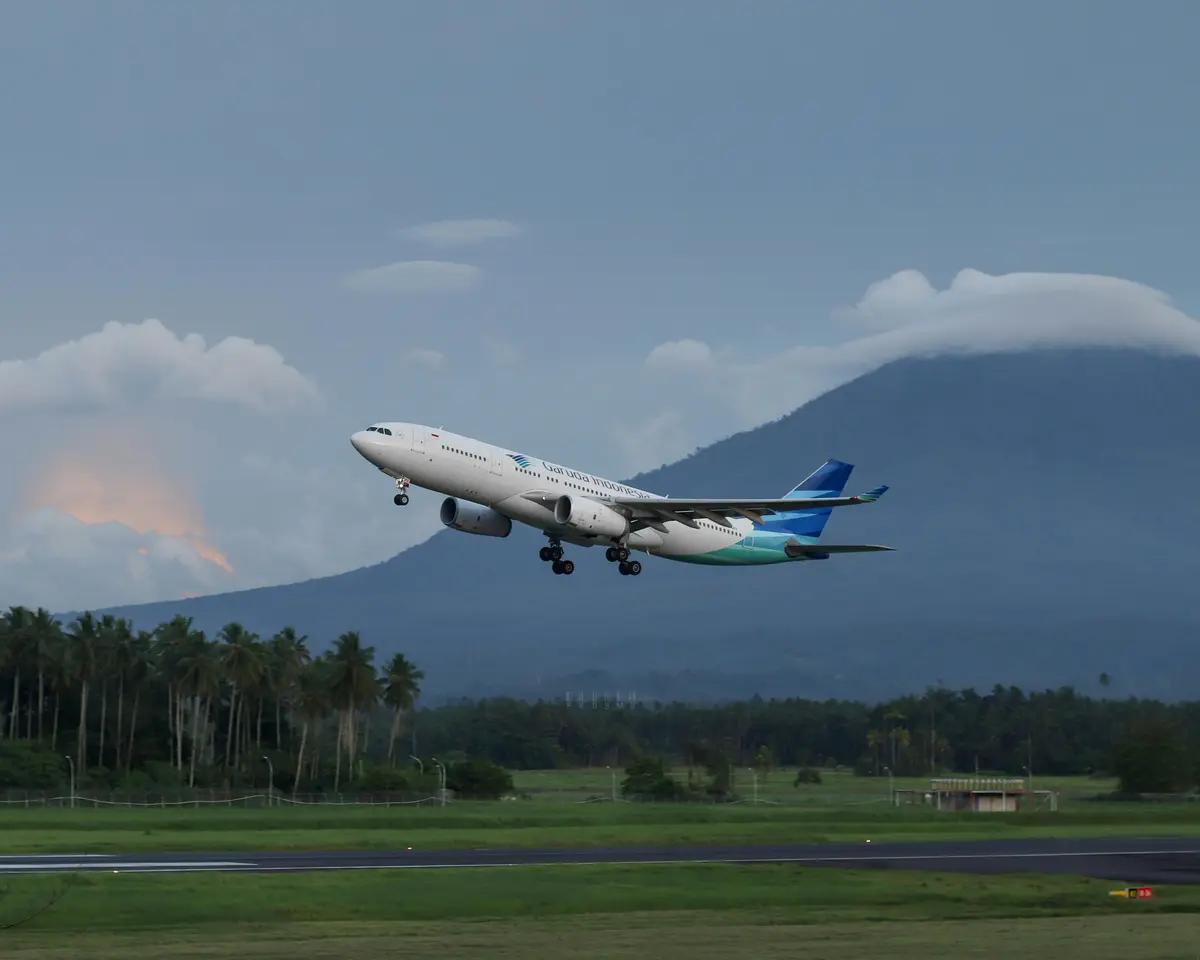
North Bali International Airport has become one of the most closely watched development projects in Bali recently. Long discussed and often debated, the plan is now gaining renewed momentum, with Indonesian President Prabowo Subianto publicly vowing to see the project completed during his term in office.
While the runway is still years away from welcoming its first passengers, new partnerships suggest that preparations are moving beyond vision and into technical groundwork.
North Bali International Airport has become one of the most closely watched development projects in Bali recently.
A Strategic Partnership
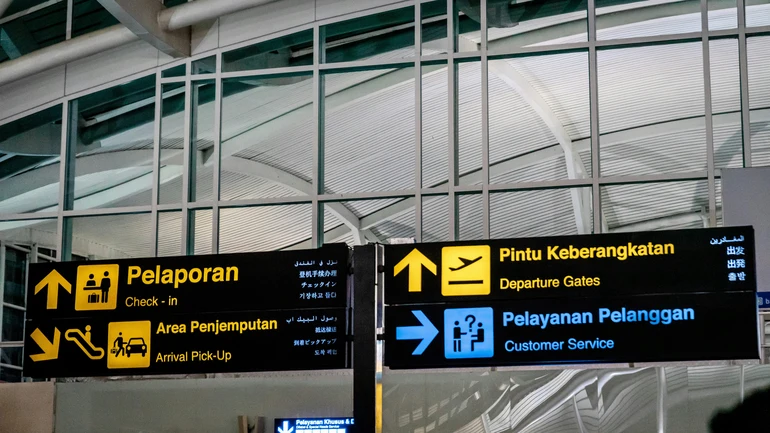
The company behind North Bali International Airport project, PT BIBU Panji Sakti, has confirmed a partnership with South Korea’s S-Transport Co. Ltd to develop the airport’s digital ecosystem and integrated transportation systems.
Under the memorandum of understanding, S-Transport will lead airport transportation systems planning and digital integration, while also designing efficient and safe operational modes across the entire facility. The collaboration extends to other strategic partners, including Alien Design Consultant, which is responsible for shaping the airport’s architectural identity.
Rather than branding it as a conventional airport, planners are positioning it as an “ARTPORT”, a concept intended to blend art, culture, and aviation into a single integrated experience.
Choi Jamie Jangkook, CEO of S-Transport, described North Bali as a strategic destination not only for tourism, but also for regional connectivity. From the outset, the airport is being conceived as an integrated system, not simply a terminal and runway, but a coordinated transport and infrastructure network.
Designed as a Destination in Itself
Modeled on leading global aviation hubs, North Bali International Airport is envisioned as more than a point of arrival. The design aims to merge Balinese cultural identity with contemporary infrastructure. Sustainability forms a central pillar of the blueprint. Plans include integration with electric vehicles, public transportation networks, and expansive green open spaces to ensure that expansion aligns with environmental considerations.
The layout will be divided into two primary zones. A Transit Hub will connect passengers to rail links, a Bus Rapid Transit system, and eco-friendly drop-off points. The Terminal zone will serve as the operational core for flights. The intention is to create a seamless flow between air travel and ground mobility, reducing congestion while improving efficiency.
A Long Term Vision

Although President Prabowo Subianto has pledged to complete the airport within his term, the timeline remains ambitious. Current projections suggest that initial services could begin as early as 2028, though significant construction milestones must be reached before that becomes reality.
In parallel, attention continues to focus on scaling capacity at I Gusti Ngurah Rai International Airport, which currently handles the bulk of Bali’s international and domestic traffic.
According to Lukman F. Laisa, Director General of Air Transportation at Indonesia’s Ministry of Transportation, Bali’s passenger capacity must increase substantially in the coming years. Forecasts indicate the island needs to accommodate 32 million passengers in the near term, expand to 42 million soon after, and eventually reach a maximum capacity of 55 million passengers annually. The new airport in the north is expected to play a critical role in meeting those figures.
Rebalancing Growth Across the Island
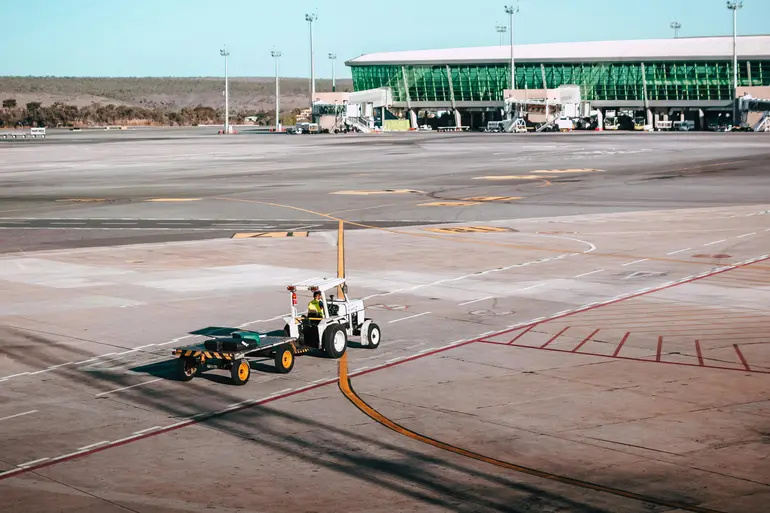
For decades, Bali’s tourism economy has been concentrated in the south. Areas such as Seminyak, Canggu, and Nusa Dua have driven much of the island’s development, while the north, including Buleleng, has remained comparatively quiet. The construction of North Bali International Airport could begin to shift that dynamic.
Improved accessibility is expected to attract investment in roads, hospitality, and logistics infrastructure throughout the region. This, in turn, may create new jobs and broaden economic participation in communities that have historically been outside the main tourism corridor.
It is hoped that a new airport in North Bali will help reduce traffic congestion in South Bali, particularly during peak seasons as visitor numbers continue to rise. Beyond easing pressure on existing infrastructure, the project is also expected to increase national foreign exchange earnings and stimulate development in underrepresented areas.
If executed thoughtfully, the airport may do more than expand aviation capacity. It could redistribute opportunity, ease overdevelopment in the south, and contribute to a more balanced and sustainable economic future for Bali as a whole.