

 Stallone Tjia
 May 29, 2026
Kinar Village Brings Regenerative Agro-Tourism to Bali’s Subak Landscape
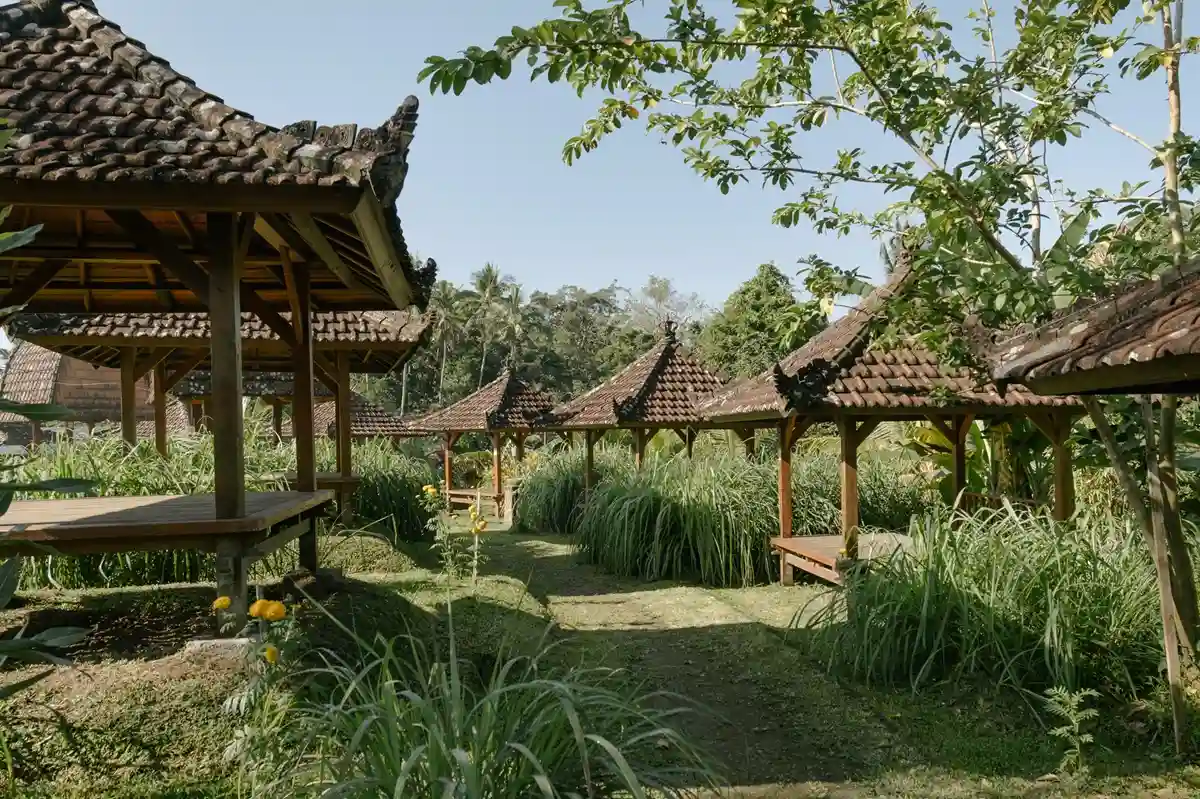
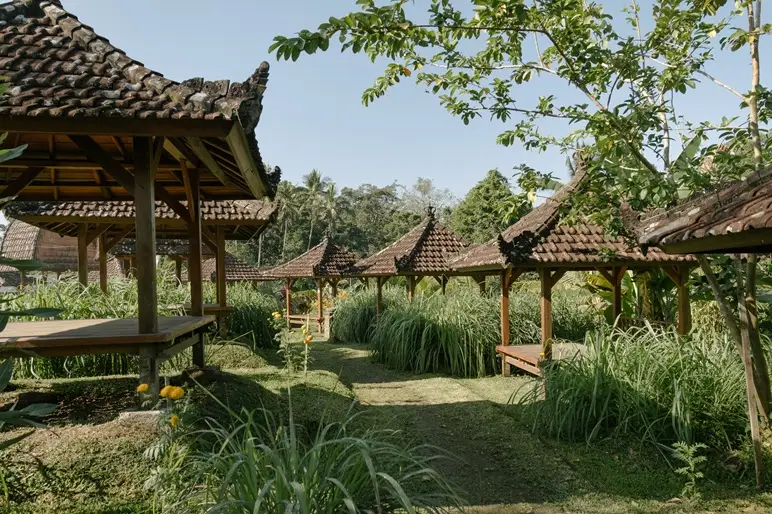
Set against the iconic Subak landscape of Bali, Kinar Village emerges as a regenerative agro-tourism destination where organic farming, environmental stewardship, education, and Balinese cultural heritage exist within one deeply interconnected ecosystem. Spanning 23 hectares in the lush region of Tabanan, Central Bali, the village offers a slower, more grounded way of experiencing the island — one that reconnects visitors with the rhythms of nature and the enduring spirit of Bali’s agrarian traditions.
Preserving Bali’s Agricultural Heritage
Founded with a mission to preserve Bali’s terraced rice fields and support local farming communities, Kinar Village traces its roots back to an initiative by the Kinar Pustaka Foundation, which began acquiring agricultural land in Tabanan prior to 2013. At a time when commercial development increasingly threatened traditional farming landscapes, the project was created as an effort to safeguard Bali’s agricultural heritage and sustain the communities that have long depended on it. Over the years, Kinar Village has evolved into a living ecosystem where nature, culture, and community continue to coexist in harmony.
SaBiCaITaLA and the Future of Regenerative Farming
Since 2020, Kinar Village has implemented a certified organic farming system under Indonesia’s SNI Organic Agriculture standards through LeSOS certification. At the heart of the estate is SaBiCaITaLA, an integrated regenerative farming model that combines cattle, biogas, earthworms, fish, organic crops, bees, and agro-tourism into one circular, low-waste ecosystem. Every element within the landscape serves a purpose, creating a natural cycle designed to minimise waste while maximising ecological balance.
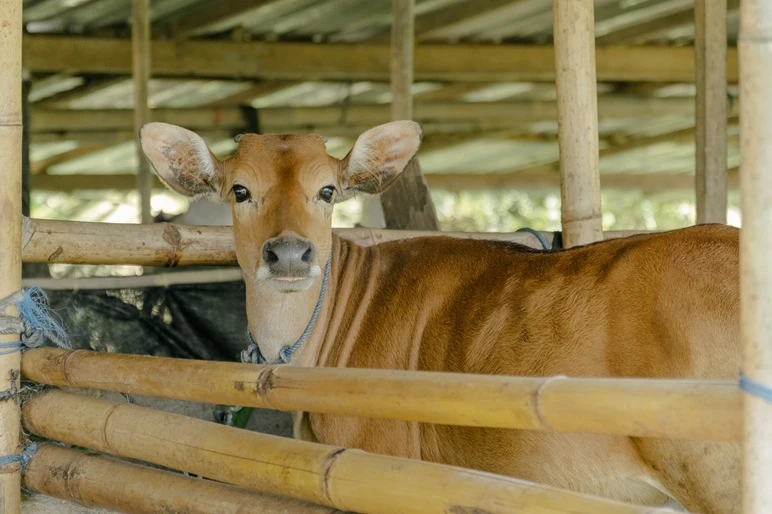
Cow manure is transformed into compost, vermicompost, and renewable biogas energy used throughout the property. Earthworms produce nutrient-rich organic fertiliser, while tilapia fish raised within the irrigation system help maintain water balance and generate natural liquid fertiliser. Bees act as essential pollinators that support the health and productivity of surrounding crops. Together, these interconnected systems shape a regenerative farming model rooted in efficiency, sustainability, and zero-waste principles.
Organic Rice, Citronella, and Balinese Philosophy
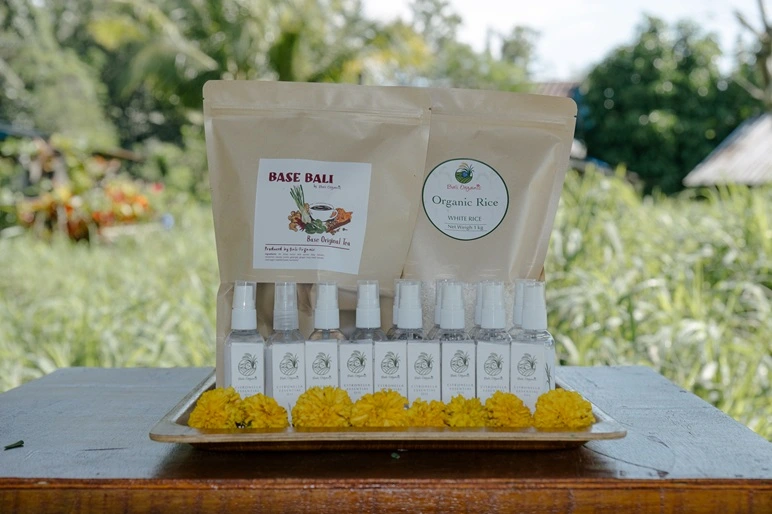
Kinar Village’s primary agricultural products include organic rice, citronella, tropical fruits, and flowers. Its organic rice is cultivated entirely without synthetic chemicals and remains deeply connected to Bali’s sacred Subak irrigation philosophy. Farming practices across the estate are guided by Tri Hita Karana, the Balinese philosophy that centres harmony between humanity, nature, and spirituality as the foundation of everyday life.
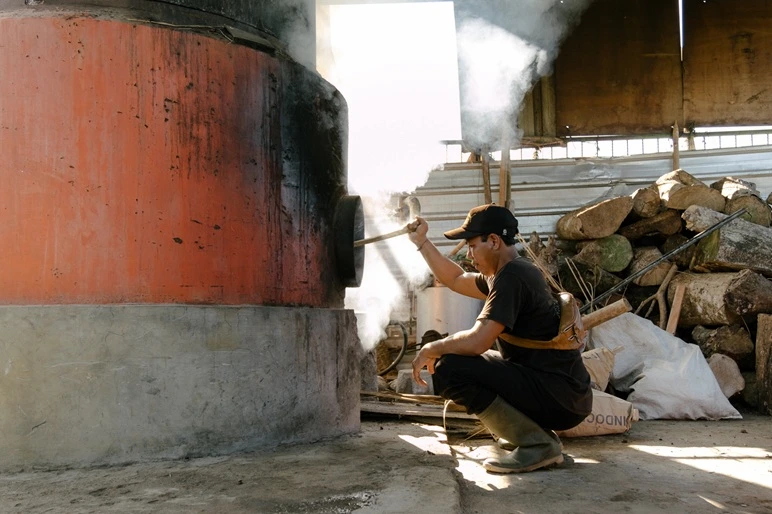
Beyond agriculture, Kinar Village has also become known for its premium citronella essential oils, distilled on-site using traditional steam distillation methods. The oils are later transformed into sustainable lifestyle products ranging from aromatherapy candles and natural cosmetics to plant-based insect repellents that highlight local resources and environmentally conscious production.
Academic Collaboration and Field Research
Supported by the Bali Organic Association and in academic partnership with Universitas Udayana’s Faculty of Agriculture under the supervision of Dr. Ni Luh Kartini, Kinar Village continues to grow as a space for education, research, and cultural exchange. Through programs such as the Bali Organic Program and Field Lab Research, the estate welcomes students, researchers, and travellers from more than 20 countries to explore modern organic farming practices grounded in Balinese local wisdom.
Through its immersive agro-tourism experiences, visitors are invited to join educational farm tours, learn about regenerative organic farming systems, and witness firsthand how traditional knowledge and simple technologies can work side by side within a sustainable ecosystem. In recent years, Kinar Village has also hosted academic visits from Tsinghua University as well as global essential oil company DoTerra, both exploring the estate’s integrated approach to regenerative agriculture.
Where Ecology, Culture, and Community Intertwine
With its organic, educational, and regenerative philosophy, Kinar Village continues to position itself as one of Bali’s most thoughtful sustainable destinations — offering a rare glimpse into a future where ecology, culture, and community remain deeply intertwined.