


 Mirella Pandjaitan
 Dec 03, 2025
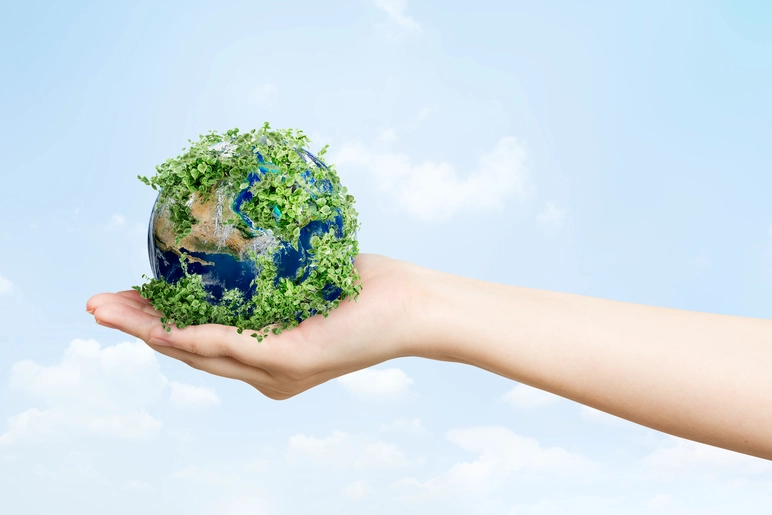
Environmental awareness begins with education. In an era defined by shifting climates, disappearing species, the surge of plastic waste, and the rapid degradation of natural landscapes, and an ever-growing appetite for convenience, countries across the globe (including Indonesia) are reimagining environmental education as the foundation for cultivating ecological consciousness from an early age.
Yet, environmental education has evolved from a classroom add-on about nature into a cultural imperative. It’s a philosophy—instilling values of care, responsibility, and meaningful action to protect the planet. With the right guidance, the next generation can grow into environmentally attuned individuals who not only understand the state of the world but are empowered to transform it. It’s a lifestyle, and a sense of responsibility that feels as natural as choosing clean beauty or booking an eco-minded escape.
Defining environmental education
Environmental education is a learning process designed to deepen one’s knowledge, skills, values, and behaviours toward nature. It teaches us to live in balance with the environment by using resources responsibly and sustainably. In essence, it’s not a mere subject—it’s character formation, shaping sustainable habits that last a lifetime.
In Indonesia, this approach has become an integral part of the national education system, reaching students from elementary schools to universities in hopes of shaping environmentally conscious character and promoting a culture of sustainable development. Indonesia first introduced environmental education in the 1970s, during a global surge of ecological awareness.
At its core, environmental education aims to nurture a society that:
- Embraces environmentally responsible habits, from saving water and electricity to planting trees and reducing waste.
- Engages actively in environmental protection through recycling initiatives, reforestation, and conservation projects.
- Makes thoughtful, informed decisions by encouraging critical thinking about pollution, deforestation, and the climate crisis.
- Understands humanity’s connection to nature, where students learn that every human action influences the delicate balance of ecosystems.
Benefits of environmental education
A community with high environmental awareness is better prepared to face climate change, energy challenges, and the shifting realities of the modern world. To put it into a broader perspective, environmental education can:
1. Elevate awareness of a changing world
Environmental education offers young people a refined lens through which to understand the planet’s most pressing issues—rising temperatures, polluted skies, and forests carved away in the name of progress. With thoughtful guidance, they learn not just the facts but the emotional and ethical weight behind them.
2. Cultivate everyday sustainability as a lifestyle
Beyond theory, environmental education teaches the elegant, everyday rituals of sustainable living. Whether it’s minimising waste, conserving energy, or choosing materials that tread lightly on the Earth, these skills empower young people to weave sustainability into the fabric of their routines—effortlessly and stylishly.
When integrated effectively, campuses are transformed into models of sustainable living. Think: Smart waste management, mindful resource use, low-impact habits, and even an introduction to regenerative agriculture—all reimagined as part of a modern, conscious lifestyle.
3. Inspire the environmental leaders of tomorrow
With the right educational foundation, today’s students can become tomorrow’s innovators—visionaries who create clean technologies, champion conservation, and lead movements that feel both urgent and aspirational. Environmental education sparks curiosity, fuels creativity, and encourages young people to imagine a future that is not only sustainable but beautifully so. Picture youth activists, green-tech creatives, and young conservationists shaping the environmental narrative with passion and polish.
4. Nurture a reverence for biodiversity
Environmental education invites young people into the wonder of the natural world—its rare species, delicate ecosystems, and quiet, irreplaceable beauty. With knowledge comes appreciation, and with appreciation comes the desire to protect what is precious. Turning knowledge into action as lessons extend to real-world activities: planting trees, composting, and recycling plastic.
5. Protect health through planet-first choices
The link between environment and well-being is undeniable. Polluted air, contaminated water, and toxic chemicals are more than environmental red flags—they’re direct threats to human health. By understanding this interplay early on, young people learn to champion choices that protect both personal wellness and planetary vitality. The payoff? Cleaner air, safer water, and a lifestyle aligned with holistic health.
The correlation with the climate crisis
Climate change is the defining challenge of our century. Through environmental education, students learn not only the science behind climate change but also the practical pathways to mitigate it. No matter how small the acts are within a school community, they can ripple into a far-reaching impact.
Despite its importance, environmental education still faces hurdles, such as limited training for educators, insufficient facilities, low community awareness, and weak coordination between environmental and educational policies, to name a few.
Ways for schools bring environmental education to life
A 2019 survey revealed a striking pattern: individuals with higher levels of education are far more likely to view climate change as a genuine threat to the planet. Despite its immense potential, integrating environmental education into school systems remains a challenge.
Collectively, certain efforts create a living, breathing ecosystem of sustainability. Environmental education can therefore be brought to life through three main approaches:
- Curriculum integration, whereby environmental themes are embedded in subjects like science, social studies, and civics.
- Extracurricular activities range from school gardens to recycling banks to student-led “Go Green” campaigns.
- A green school culture that optimises efficient energy use, mindful water consumption, and responsible waste management becomes part of daily practice.
Educational institutions strengthen the mission by providing waste management and energy-efficient facilities, holding green innovation competitions, inviting environmental experts and NGOs to speak, and embedding environmental values in school ceremonies and public events. Either way, teachers are the heart of environmental education. Their influence goes beyond textbooks—they model eco-conscious behaviour in everyday life as well.
Collaboration between schools, local governments, and communities ensures environmental education thrives both inside and beyond the classroom.
Preparations for the future
One powerful approach to environmental education is explaining the mechanisms—what causes it, how it intensifies, and why it matters. But beyond explanation, students need the knowledge and confidence to participate actively. This empowers them, nurtures a respect for natural resources, and strengthens critical thinking, communication, and problem-solving skills.
These abilities are essential today, as young people must evaluate the long-term effects of social, economic, and ecological decisions. Effective action depends on deep understanding—paired with the ability to persuade, mobilise, and inspire others. Public education can cultivate empathy, support conservation efforts, and spark widespread engagement.