

 Mirella Pandjaitan
 Jan 26, 2026
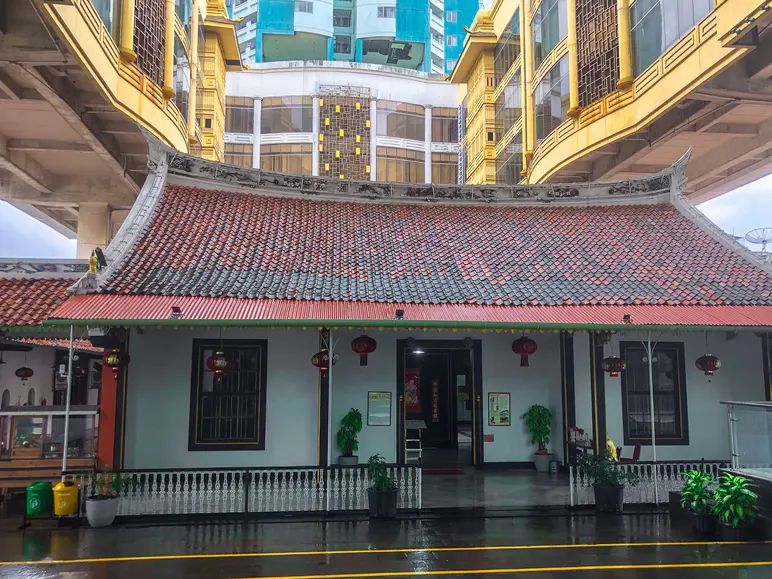
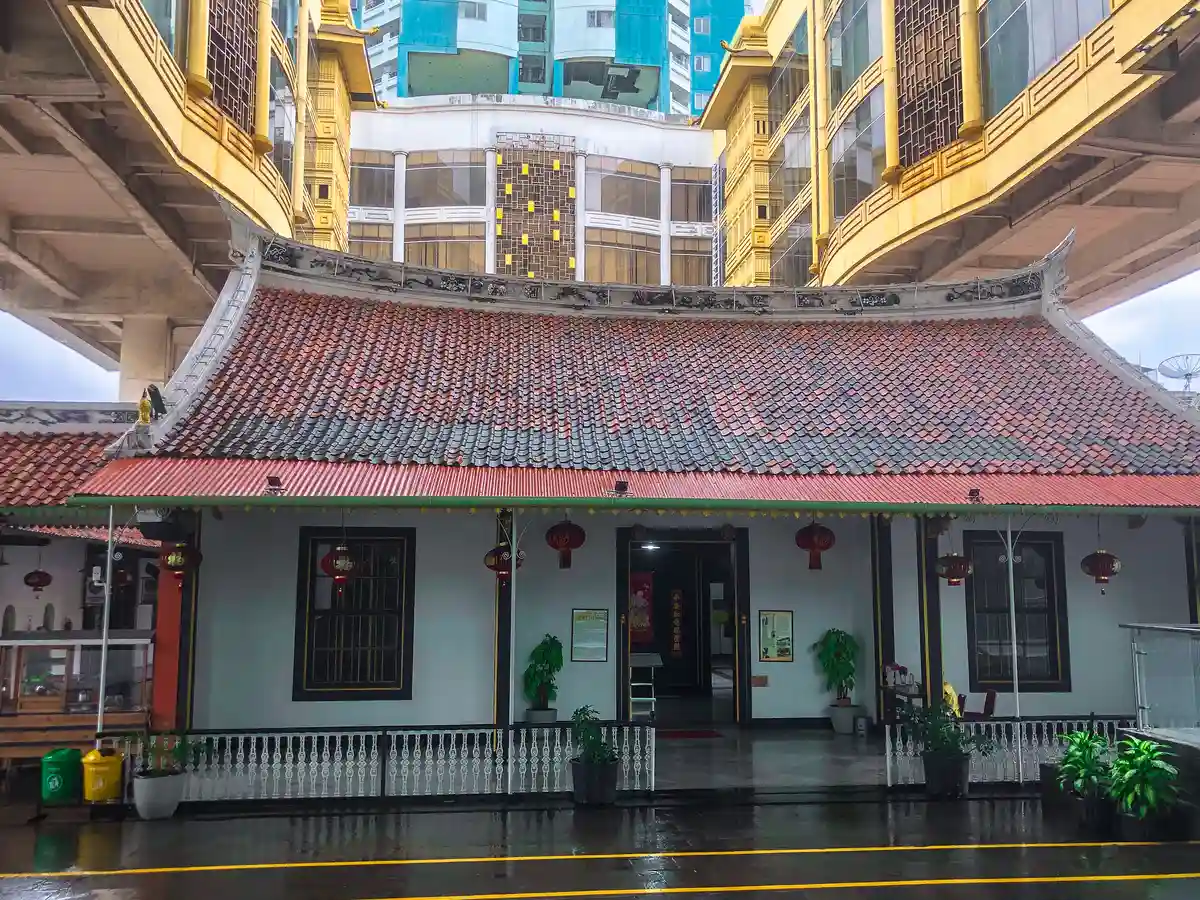
A spacious, old oriental-style house reminiscent of a Chinese temple with its pointed roofs curling similar to delicate horns on either side stands amid hotels and apartment towers on Jl. Gajah Mada No. 188, West Jakarta. Odd, but the house's appeal is nonetheless mesmerising.
Unshaken by modernity, you'll be immersed in a serene warmth that embraces every corner of the house. Red lanterns sway gently above, while dragon-shaped lion dance accessories and other emblematic Chinese ornaments hang gracefully from the rafters, conjuring the enduring presence of Indonesia’s Chinese community.
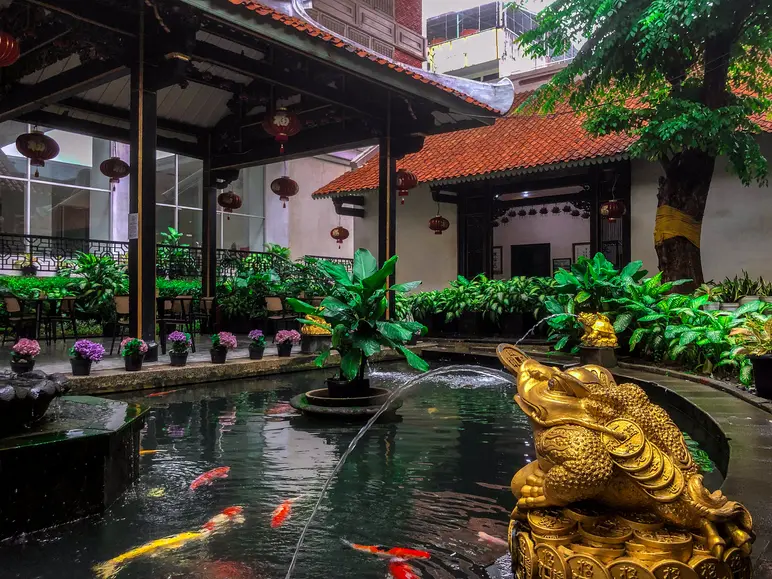
Every detail—from the doors and window frames to the sweeping gabled roof—reflects traditional Chinese craftsmanship, rendered in rich, authentic shades of gold and deep brown. The heart of the house is adorned with portraits of notable Chinese figures connected to the house's legacy displayed alongside historical documents, architectural sketches of Glodok’s Chinese heritage, and calligraphy elegantly inked on pristine paper. Outside, clusters of trees mark each doorway, seamlessly linking the spaces together, while a tranquil garden at the rear, complete with a gentle koi pond.
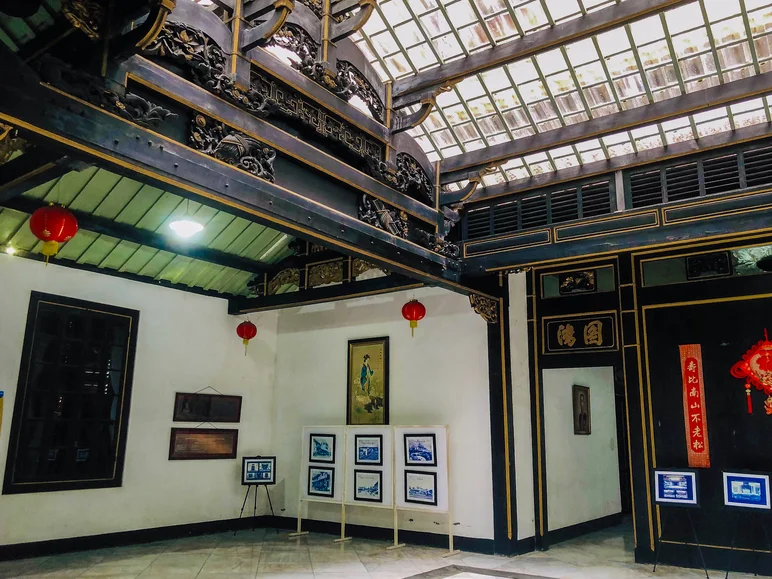
Those unknown to the house might reckon it has been left untouched by time. Meanwhile, Glodok’s commercial district a mere few steps away continues to surge forward—old buildings torn down and replaced by rows of shophouses and soaring modern structures. This house is known as Candra Naya, the final residence of the last Chinese Mayor of Batavia, Mayor Khouw Kim An.
Born in Batavia on 5th June 1879, An was acknowledged to be immensely wealthy; owning a bank as well as rice warehouses. Aside from having a large family of 14 wives and 24 children, the Mayor had a notably distinguished career within the Batavian administration: appointed Lieutenant in 1905, promoted to Kapitan in 1908, and elevated once more to the rank of Mayor in 1910 (an individual was appointed to represent the Chinese ethnic community during the Dutch East Indies period).
His final years were marked by hardship. When Japanese forces entered Indonesia, he was detained in a concentration camp, which led to his death on 13th February 1945. He was laid to rest at the Petamburan cemetery complex, where other members of the Khouw family are also buried—including O.G. Khouw, his cousin, a renowned entrepreneur and philanthropist. O.G. Khouw’s tomb is said to feature the most magnificent mausoleum in Southeast Asia.
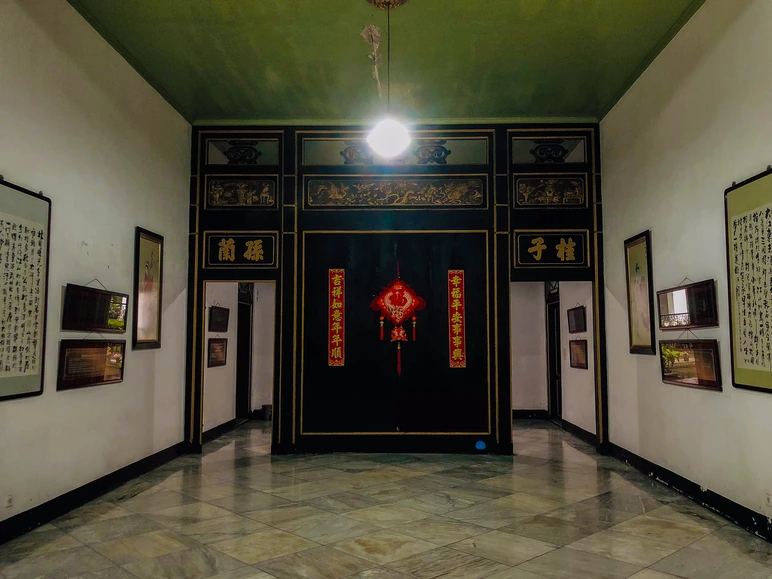
Candra Naya is far more than a family residence. The house preserves the historical trajectory of the Chinese community in Indonesia. It served as the office of Sing Ming Hui, a Chinese social organiation that would later give rise to Tarumanagara University during the Japanese occupation of Indonesia. Following Indonesia’s independence, national regulations on name changes led Sing Ming Hui to be renamed Candra Naya.
The building has since served various roles in the modern age. It was once a lecture venue for Tarumanagara University students and as the site of the Indonesia Open, the first international-level badminton tournament held in Indonesia.
Yet today, Candra Naya occupies only a third of the original size of An's residence. According to several sources, the house was neglected at one point. A developer eventually purchased it, with relocation plans to Taman Mini Indonesia Indah (TMII). Many protested in return, arguing that removing it from its original location would strip it of its historical value.
Entry to the house is free of charge, though visitors are prohibited from taking photographs with high-resolution cameras. Relax by the coffee shop around the pond while you're at it. Allow Candra Naya to be your first stop on your day at Glodok!