


 Stallone Tjia
 Sep 03, 2026
Bali is taking another step towards improving public transportation, with a new battery-powered electric tram planned to connect I Gusti Ngurah Rai International Airport with Kuta, Legian, Seminyak and Canggu. The project is targeting a groundbreaking in March 2027, with the first section expected to begin operating in 2028 and the full route to Canggu targeted for completion in 2029.
Bali’s Kuta–Canggu Electric Tram Targets Groundbreaking in March 2027
The plan was formalised on September 1, 2026, when the Bali Provincial Government, Badung Regency Government and PT Kereta Api Indonesia (KAI) signed a cooperation agreement to develop the new rail-based transport system. The agreement was signed in Denpasar by Bali Governor Wayan Koster, Badung Regent I Wayan Adi Arnawa and KAI President Director Bobby Rasyidin, alongside representatives from Angkasa Pura and other stakeholders.
Rather than an MRT or LRT system, KAI is proposing a battery-powered electric tram, a smaller-scale option considered more suitable for Bali's landscape and urban conditions. The vehicles are designed to be relatively compact, with lower noise levels and no requirement for overhead electrical lines, while also being integrated with other modes of transportation.
The proposed corridor will stretch for approximately 12 to 13.1 kilometres, depending on the final alignment. The route is planned in two phases: the first connecting Ngurah Rai Airport with Legian over approximately 6.6 kilometres, followed by a second section continuing from Legian through Seminyak towards Canggu for around 6.5 kilometres.
Once operational, the tram is expected to have a journey time of around 30 minutes, with services running at approximately 10-minute intervals. At full capacity, the system is projected to transport up to 60,000 passengers per day, potentially helping to absorb a significant portion of daily traffic along the busy Airport–Canggu corridor.
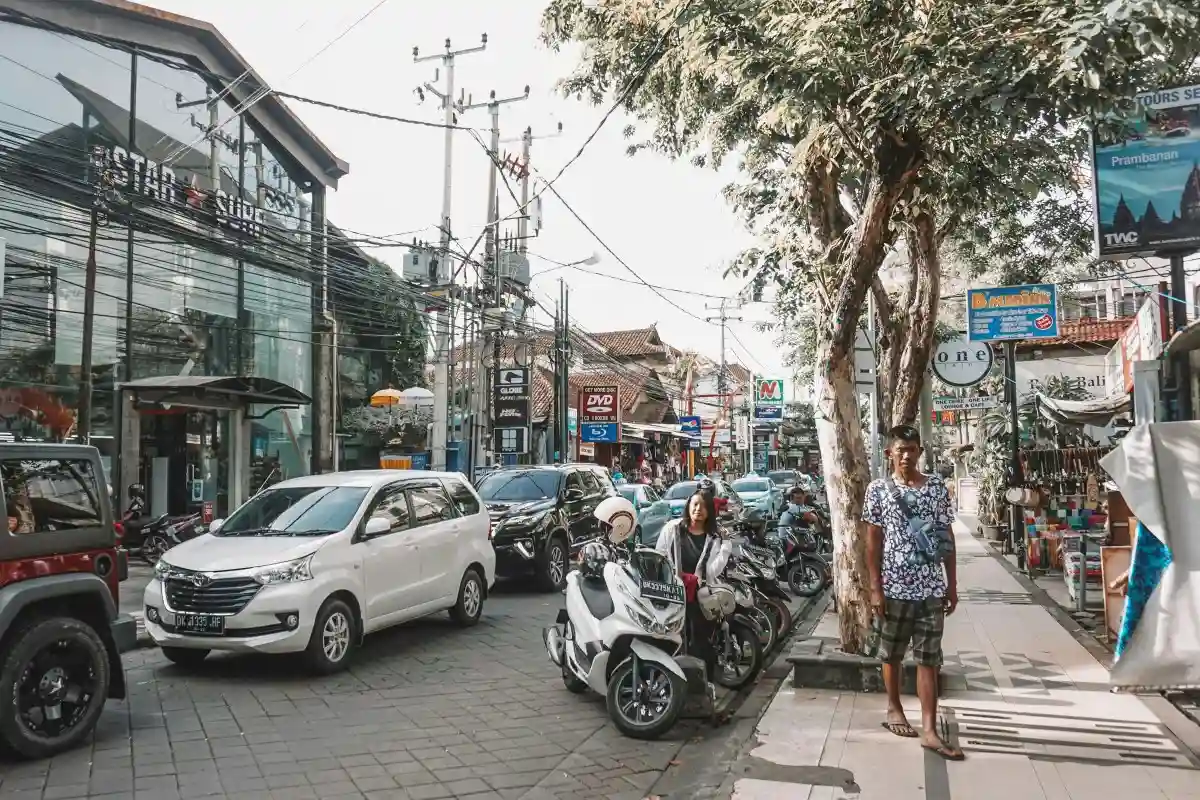
The project comes as traffic congestion continues to be one of Bali's biggest challenges, particularly across the heavily developed southern tourism corridor. By connecting the airport with some of the island's busiest destinations, the tram is intended to provide an alternative to private vehicles while supporting the movement of both residents and visitors.
Following the signing of the cooperation agreement, the next stage will involve technical studies, further feasibility assessments and consultations with local communities, traditional villages, tourism businesses, hotels and other stakeholders. The government has also emphasised that the development should respect Bali's cultural identity, environment and existing communities.
If the current timeline stays on track, construction could begin in March 2027, with the first section entering service in 2028 and the complete Airport–Canggu connection following in 2029. For Bali, the project could mark another significant shift towards a more connected and sustainable public transport network.