


 Mirella Pandjaitan
 Aug 21, 2026

Moving to Indonesia can open the door to a life shaped by tropical landscapes, rich cultural traditions, warm hospitality, and a distinctly different rhythm of daily life. But settling into the country comes with its own learning curve, just like any other relocation.
Is it difficult to live in Indonesia as an expat? Not necessarily—but knowing what to expect can make the transition considerably smoother. The challenges of living in Indonesia are rarely impossible to overcome. In many cases, they simply require a willingness to adapt, a little patience, and an appreciation for a way of life that may differ from what you know.
Here are 10 common challenges expats may encounter when making Indonesia home.
Adapting to cultural differences
Indonesia's social fabric is shaped by its many cultures, traditions, religions, and communities, meaning that customs can vary considerably from one region to another.
One of the most important adjustments for expats is understanding the value placed on politeness, harmony, and mutual respect. Direct confrontation or criticism, for example, may be received differently than it would in more direct cultures. Taking the time to observe, listen, and understand local etiquette can go a long way towards building positive relationships, both socially and professionally.
Adjusting to the cost of living
Indonesia is often considered an affordable place to live, but the reality depends heavily on lifestyle and location. Local food, services, and transport can be relatively inexpensive, while housing in sought-after neighbourhoods, imported products, international schools, and other expatriate-oriented expenses can add up quickly.
An expat family, for example, may find that rent, private education, imported groceries, and international-standard services create a very different monthly budget from that of someone living primarily with local products and services. Understanding your preferred lifestyle before relocating is therefore key to establishing a realistic cost-of-living budget.
Building a social life
Starting over socially can take time, especially for those arriving alone or without an established network. Language differences, unfamiliar customs, and the distance from family and friends can sometimes make the early months feel isolating.
Indonesia's sizeable expat communities can provide an easy starting point, but integrating into local life can be equally rewarding. Joining clubs, attending community events, taking up a hobby, or simply becoming a familiar face in the neighbourhood can gradually turn an unfamiliar city into somewhere that feels like home.
Finding your way around healthcare
Indonesia is home to reputable hospitals and medical facilities, particularly in larger cities such as Jakarta, Surabaya, and Bali. However, healthcare standards and access to specialised treatment can vary between regions.
Expats may want to identify hospitals that meet their preferred standards before they need medical attention, particularly if they live outside a major urban centre. Understanding health insurance coverage, hospital procedures, and whether a provider offers international patient services can also help avoid unnecessary complications.
Getting used to the tropical climate
Indonesia's tropical climate can be a significant adjustment for those arriving from cooler or more temperate countries. Heat, humidity, and seasonal rainfall shape everything from what you wear to how you plan your day.
The wet season can bring heavy downpours and, in some areas, flooding, while the combination of heat and humidity can make outdoor activities feel more demanding. Over time, most expats develop their own rhythm—planning around the weather, staying hydrated, and learning when it is best to venture outdoors.
Infrastructure and utilities
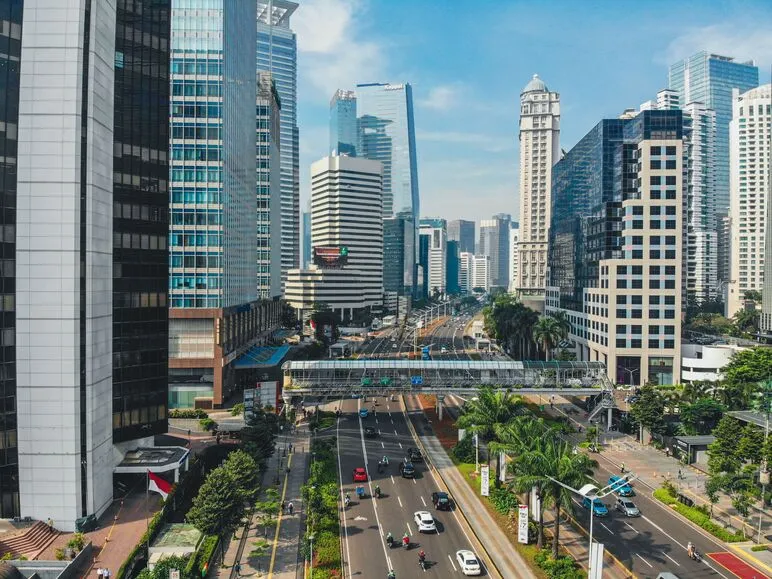
Infrastructure can vary considerably across Indonesia's thousands of islands and between urban and rural areas. Major cities generally have reliable access to modern conveniences, but expats living in less developed areas may encounter differences in internet connectivity, electricity, water supply, and public infrastructure.
For remote workers, a dependable internet connection can be particularly important. Checking the reliability of utilities before choosing a home—and having a backup connection where necessary—can save considerable frustration later.
Navigating bureaucracy and visa regulations
Indonesia's administrative landscape can be one of the more demanding aspects of relocation. Visa applications, work permits, residence documents, and other immigration requirements can involve several stages, specific documentation, and approval processes.
Those working in Indonesia, for instance, must ensure they hold the appropriate immigration and employment permissions. Requirements can change as well, making it essential to keep track of current regulations and maintain valid documentation throughout your stay. Professional assistance can be useful when dealing with more complex applications, notably for those unfamiliar with Indonesia's administrative systems.
Partaking in the working culture
Indonesia's professional environment can differ from what expats are accustomed to. Hierarchy, seniority, consensus, and maintaining harmonious relationships can play an important role in workplace interactions.
Decision-making may sometimes take longer, particularly when several people or levels of management are involved. An expat accustomed to quick, direct approvals may need to adjust to a more consultative approach.
Rather than viewing these differences as obstacles, understanding the cultural reasoning behind them can help international professionals build stronger relationships with colleagues and teams.
The language barrier
Bahasa Indonesia is the language of everyday life. While English is widely spoken in major cities, international schools, hotels, and business environments, communication can become more difficult outside these circles.
Even simple interactions—arranging transport, speaking with a maintenance worker, visiting a local market, or navigating a neighbourhood—can feel considerably easier with some basic Indonesian vocabulary. Learning the language isn't essential to settling in, but it can make daily life more seamless while offering a deeper connection to the people and culture around you.
Traffic and transportation
Traffic can quickly become part of the daily routine in Jakarta and other major urban centres. Peak-hour congestion can turn relatively short journeys into lengthy commutes, while heavy rain can add another layer of unpredictability.
Ride-hailing services and increasingly connected public transport networks have made getting around easier, but travel times can still vary dramatically depending on the time, weather, and location. Hence, choosing a home close to work or reliable transport links can make a noticeable difference.