

 Rani Permata
 Oct 02, 2026
‘HEROES INTERPRETED’
WHEN BATIK DOESN’T HAVE TO LOOK TRADITIONAL
In celebration of National Batik Day, Garuda Kencana Batik reinterprets batik and Indonesia’s national heroes through a contemporary fashion lens, bringing heritage closer to the lifestyle of today’s generation.
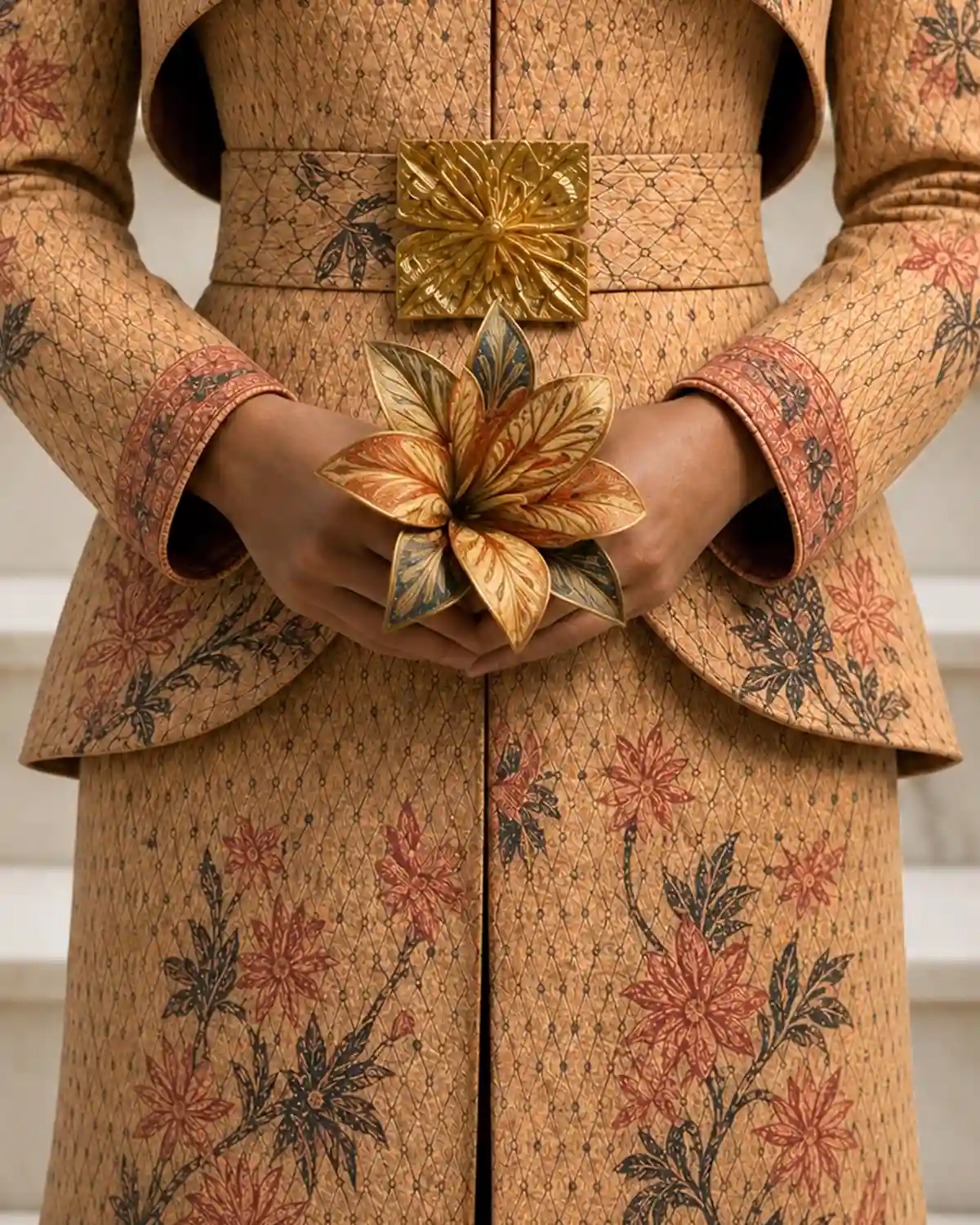
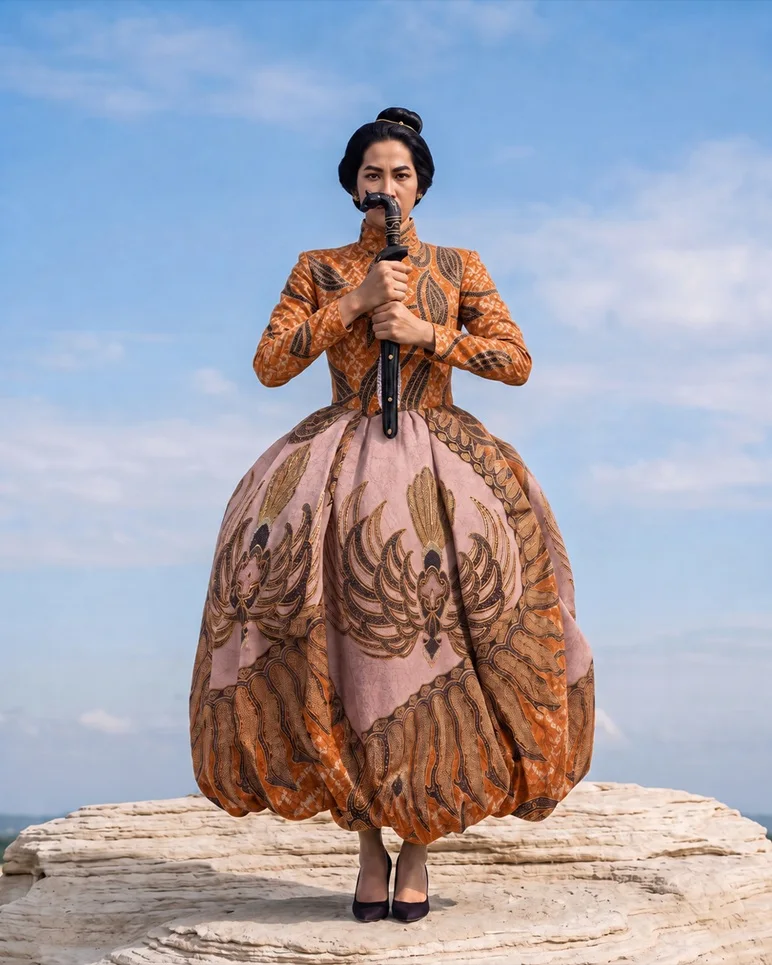
In celebration of National Batik Day, Garuda Kencana Batik presents ‘Heroes Interpreted’, a campaign that explores batik beyond its traditional boundaries and reimagines Indonesia’s national heroes through the language of contemporary fashion.
Batik has long been associated with a set of unwritten rules: worn on certain days, for certain occasions, and in certain ways. But as fashion continues to evolve, batik too has the opportunity to change, adapt, and find new relevance in everyday life.
For Yos Christian Addyputra, Owner of Garuda Kencana Batik, one of the biggest challenges facing batik today is not its heritage, but the way people perceive and wear it.
“Batik doesn’t always have to come in traditional cuts. It doesn’t always have to be paired with a kebaya, beskap, or worn as an office shirt,” says Yos.
According to Yos, the unwritten rules surrounding how batik “should” be worn can limit its potential as a fashion piece.
“The idea of styling has never really been based on any particular rule, but because it has been believed for so long, it eventually becomes a cage for batik to grow,” he explains.
Reinterpreting Heroes Through Fashion
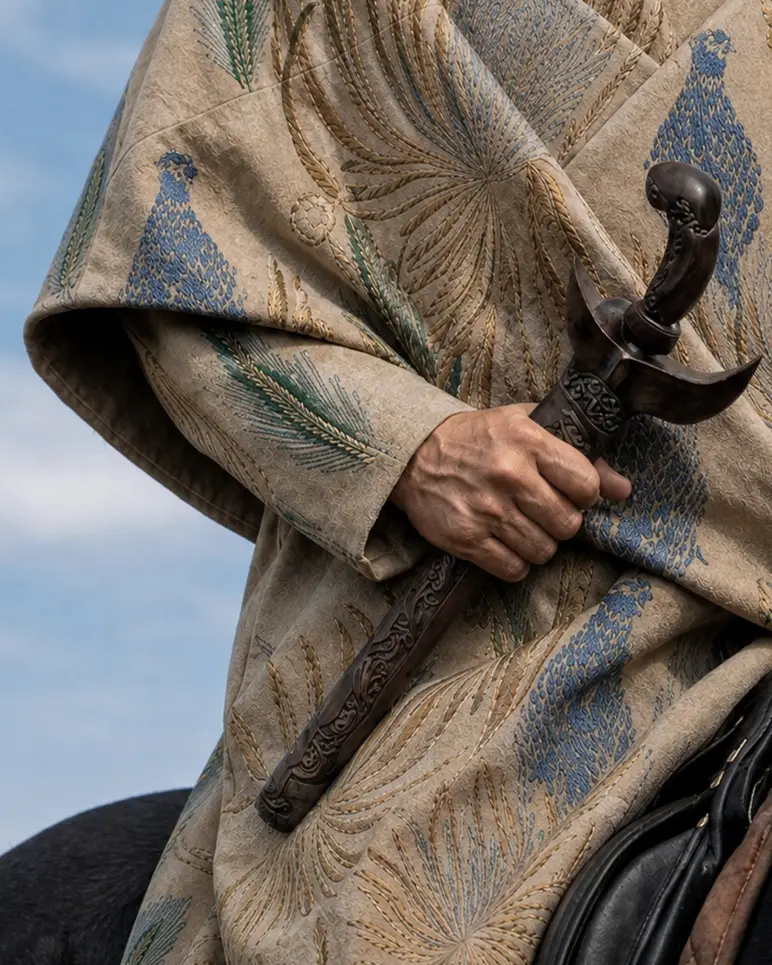
Through Heroes Interpreted, Garuda Kencana Batik takes a fresh look at historical figures through a visual language that feels more relevant to contemporary life.
National heroes who have traditionally been associated with formal and conservative imagery are reinterpreted through modern silhouettes, cuts, and styling. The intention is not to alter their historical identity, but to demonstrate that the character and values they represent can continue to be interpreted in new ways.
“When we reimagined national heroes through modern batik cuts, we saw it as a bridge between the past and the present. When done well, it directly communicates that batik is timeless,” says Yos.
For Garuda Kencana Batik, heritage does not have to remain static. By continuing to wear, explore, and reinterpret it, heritage can remain alive while evolving with the times.
Batik for Everyday Life
The way people dress has changed significantly. Tailoring can be paired with sneakers, suits can be styled with T-shirts, and a shirt can become an outer layer. Yos believes batik should have the same freedom to evolve.
“The overall message is that batik is not as rigid as people think. It can be worn by every generation. Even when you use historical icons who have a very conservative image, they can still look good and fashionable,” he says.
Batik does not have to wait for National Batik Day, Fridays, weddings, or formal occasions. It can be a statement piece for dinner, an outer layer for travelling, an option for a coffee run, or simply part of an everyday wardrobe.
This philosophy is reflected in Garuda Kencana Batik’s collections, with contemporary silhouettes ranging from jackets and tailored pieces to outerwear. Traditional character and craftsmanship remain at the core, while modern design gives wearers the freedom to interpret batik through their own personal style
From Indonesia to the Future of Batik
For Yos, bringing batik further into the global fashion conversation does not necessarily have to begin on an international runway. It can start with how Indonesians themselves choose to wear it.
“As Indonesians, we have a responsibility to introduce batik to the world. And it can start simply by not only wearing batik on Fridays,” says Yos.
He believes that if people are comfortable wearing floral shirts during summer holidays, batik can occupy the same space within everyday lifestyle.
“If they can wear floral shirts on a summer holiday, why not batik?”
That question captures the spirit behind Heroes Interpreted: it is not about turning batik into something entirely new, but about changing the way we see, wear, and interpret it.
Because when heritage is viewed through a new perspective, batik becomes more than something inherited from the past. It becomes a living part of fashion—something that can continue to evolve, be reinterpreted, and move confidently into the future.