


 Annissa Wulan
 Apr 09, 2026
While most of the world views monarchies as relics of the past, in the heart of Java, one kingdom remains very much alive. Yogyakarta, often called "Jogja," is not just a city; it is a Special Region (Daerah Istimewa) where ancient traditions and modern governance walk hand in hand.
If you are planning a visit or simply curious about Indonesian history, here are the essential facts that make Yogyakarta a unique political and cultural phenomenon in 2026.
A Monarchy Within a Republic
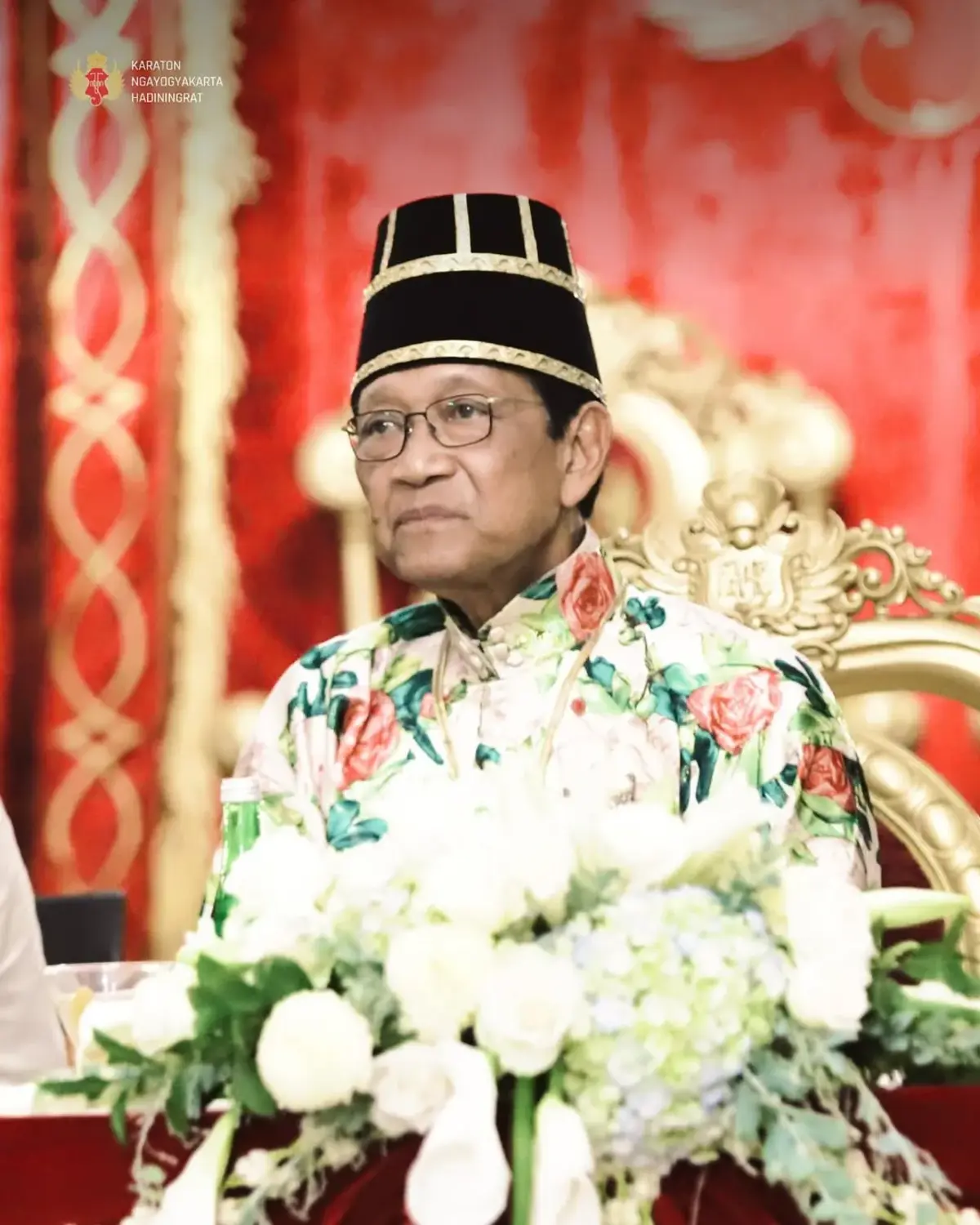
Yogyakarta is the only province in Indonesia that is officially governed by a monarchy. While Indonesia is a republic led by a President, the Sultan of Yogyakarta automatically serves as the Governor of the region. This "Special Status" was granted as a reward for the Sultanate’s immense support during Indonesia’s struggle for independence against Dutch colonial rule in the 1940s.
The Sultan’s Dual Role
The current monarch, Sri Sultan Hamengkubuwono X, wears two hats. Administratively, he manages the province's modern infrastructure and economy. Spiritually and culturally, he is the guardian of the Kraton (The Royal Palace). This dual leadership ensures that while the city evolves with high-speed internet and modern malls, its "soul"—the Javanese philosophy of Hamemayu Hayuning Bawana (beautifying the beauty of the world)—remains intact.
The Kraton: A Living Museum
The Kraton Ngayogyakarta Hadiningrat is not just a tourist attraction; it is the active residence of the Sultan and his family. Inside its white walls, hundreds of Abdi Dalem (loyal court servants) still perform daily rituals, guard the palace, and maintain centuries-old traditions. Visitors can witness traditional Gamelan performances and see the intricate architecture that aligns the palace perfectly between the volcanic Mount Merapi and the Indian Ocean.
The "Student City" with Royal Roots
Yogyakarta is famous as Indonesia’s "City of Education." This reputation started when the Sultan provided the land and buildings to establish Gadjah Mada University (UGM), the nation's first state university. Today, the city attracts millions of students from across the archipelago, creating a vibrant, youthful energy that contrasts beautifully with the slow-paced, "quiet luxury" of royal life.
Land Ownership and Autonomy
Unlike other parts of Indonesia, much of the land in Yogyakarta is traditionally owned by the Sultanate (Sultan Ground) or the Pakualaman principality. This allows the region to control its urban development more strictly, preserving green spaces and historical sites that might otherwise be lost to rapid industrialization.
Why You Should Visit Yogyakarta in 2026
Yogyakarta offers a "slow living" experience that is hard to find in fast-paced hubs like Jakarta. Whether you are exploring the UNESCO-listed Prambanan Temple, shopping at the bustling Malioboro Street, or enjoying a contemporary cocktail at a luxury bar in the city center, you are constantly walking through a living history book.
Did You Know? In March 2026, the Sultan emphasized that "sovereignty" today is about managing change with dignity. This philosophy is why Yogyakarta remains the cultural heart of Indonesia.