



 Mirella Pandjaitan
 Jan 21, 2026
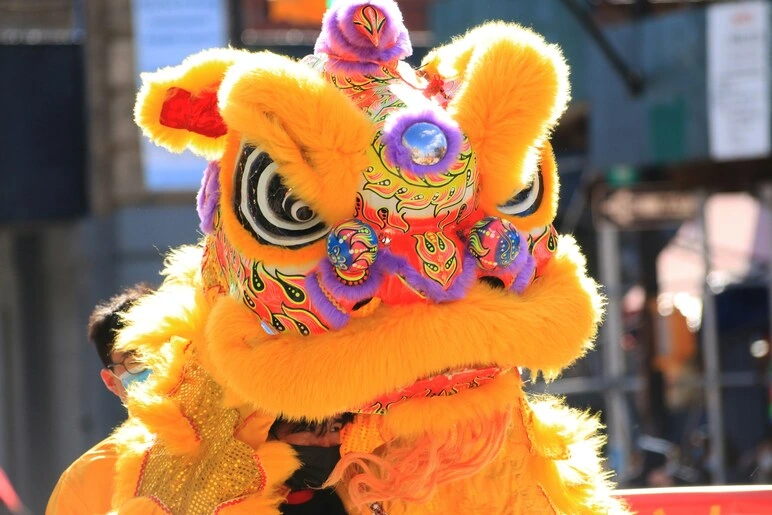
Chinese New Year transforms cities into living mosaics of colour, sound, and ritual. Streets shimmer with red lanterns, flower markets overflow with blooms, and the aroma of festive foods fills the air. It’s a season of reunion, renewal, and celebration; an extraordinary moment to see cities come alive in ways that no other time of year can unfold.
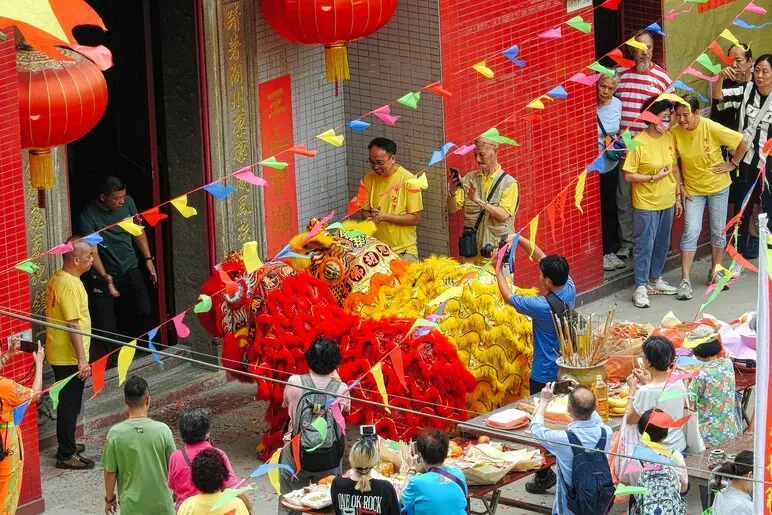
Travelling during the Lunar New Year provides a rare glimpse into local traditions: lion dances weave through bustling streets, temples resonate with incense and prayer, and families gather around multi-generational feasts brimming with symbolism and flavour. It’s a time when culture, history, and community converge, inviting travellers to witness both spectacle and intimacy.
For those eager to explore the festival at its fullest, the following five destinations are individually a curated journey through Lunar New Year festivities, culinary indulgence, and unforgettable cultural experiences.
Hong Kong, China
Few cities transform as dramatically as Hong Kong during the Chinese New Year. The city becomes a living kaleidoscope: neon skyscrapers draped in red, flower markets bursting with blooms, and streets echoing with firecrackers and lion dances. Hong Kong turns its cultural heritage into theatre. It’s not just a visit—it’s an immersion into ritual, street life, and culinary extravagance. Witness the lantern displays and flower markets at Victoria Park, catch the nightly fireworks over Victoria Harbour, or explore Wong Tai Sin and Man Mo Temples for traditional blessings.
What to eat: Poon choi—a multi-layered hotpot of seafood, pork, chicken, and abalone—symbolises abundance. Don’t miss sweet tang yuan (glutinous rice balls) and niangao (rice cake) for luck.
Insider tip: Travel light and book accommodations early; the first two days of the Lunar New Year see shops close, and transportation swell with locals visiting family.
Best duration to spend: Four to five days, allowing time for markets, temples, dining, and harbour-side strolls.
Read also: Hong Kong Guide: Experiencing Chinese New Year
Ipoh, Malaysia
Ipoh comes alive quietly during the Lunar New Year. The city’s colonial architecture and laneways are bathed in red lantern light, while bustling hawker centres serve up traditional fare with festive flair. Unlike larger cities, Ipoh balances celebration with intimacy, giving travellers a chance to witness authentic Chinese New Year rituals without overwhelming crowds. Wander the heritage streets, admire temples decorated with lanterns, or explore nearby limestone caves and serene valleys.
What to eat: Chinese New Year specialities like yee sang (prosperity salad), Hakka-style steamed chicken, and traditional kuih sweets. Coffee lovers will also enjoy Ipoh’s famed white coffee as a seasonal ritual.
Insider tip: Accommodation fills fast in the first few days; plan early and arrive prepared to navigate crowded temples if you wish to see local ceremonies.
Best duration to spend: Three to five days, enough for cultural immersion and leisurely exploration of nearby natural escapes.
Jeju Island, South Korea
Jeju in February is a revelation: misted coastlines, volcanic landscapes dusted with snow, and tranquil temples provide a serene counterpoint to the festive energy on the mainland. While South Korea does not celebrate the Chinese New Year on the same scale as Hong Kong or Shanghai, Jeju’s quiet winter beauty is an idyllic, reflective retreat before the festival rush begins. The island is peaceful, providing a contemplative escape while experiencing local Seollal (Korean Lunar New Year) traditions, which include family visits, ancestral rites, and seasonal delicacies. Hike Hallasan for a snow-kissed summit, wander Jeju’s lava tubes, or visit serene coastal temples.
What to eat: Traditional tteokguk (rice cake soup) and jeon (savoury pancakes) are a taste of Lunar New Year at a local level.
Insider tip: February is off-peak for tourism, meaning quieter beaches, open trails, and unhurried luxury accommodations.
Best duration to spend: Four to six days, enough to explore the island’s natural wonders and local traditions.
Shanghai, China
Shanghai pulses with a unique blend of cosmopolitan flair and ancient ritual during the Chinese New Year. The Bund glitters against festive lights, while traditional markets sell red envelopes, kumquat trees, and seasonal delicacies. Shanghai juxtaposes modern sophistication with centuries-old rituals, offering visitors both cultural immersion and urban luxury. Explore Yu Garden and its Lunar New Year Bazaar, stroll Nanjing Road as it glows with neon, or take in temple fairs at Longhua or Jing’an.
What to eat: Dumplings shaped like ingots for wealth, sticky rice cakes for prosperity, and lantern-shaped sugar sculptures for whimsy.
Insider tip: Book metro rides and taxis early as traffic swells during family travel days, but the city’s skyline and cultural performances reward planning.
Best duration to spend: Three to four days, ideal for blending temple rituals, festive dining, and city exploration.
Taipei, Taiwan
Taipei during Chinese New Year is a harmony of ritual, street life, and culinary delight. Temples hum with incense, night markets buzz, and parks are sprinkled with lanterns and festival installations. Taiwan’s festive energy is accessible, photogenic, and deeply rooted in tradition—temples, markets, and lantern displays all celebrate community and family. Visit Longshan Temple for blessings, explore Dihua Street’s flower and snack markets, or catch a lantern show at Taipei Expo Park.
What to eat: Tangyuan (glutinous rice balls), niangao (sticky rice cake), and other seasonal specialities mark reunion and luck. Don’t skip local street food like fried dumplings and oyster omelettes for a festive bite.
Insider tip: The city is easy to navigate via MRT, but expect heavy crowds at major temples and night markets during the first two days. Morning visits offer calmer, more atmospheric experiences.
Best duration to spend: Four to six days, allowing time for markets, temples, cuisine, and short side trips to Taipei’s surrounding mountains and coastlines.