


 Mirella Pandjaitan
 Mar 04, 2026
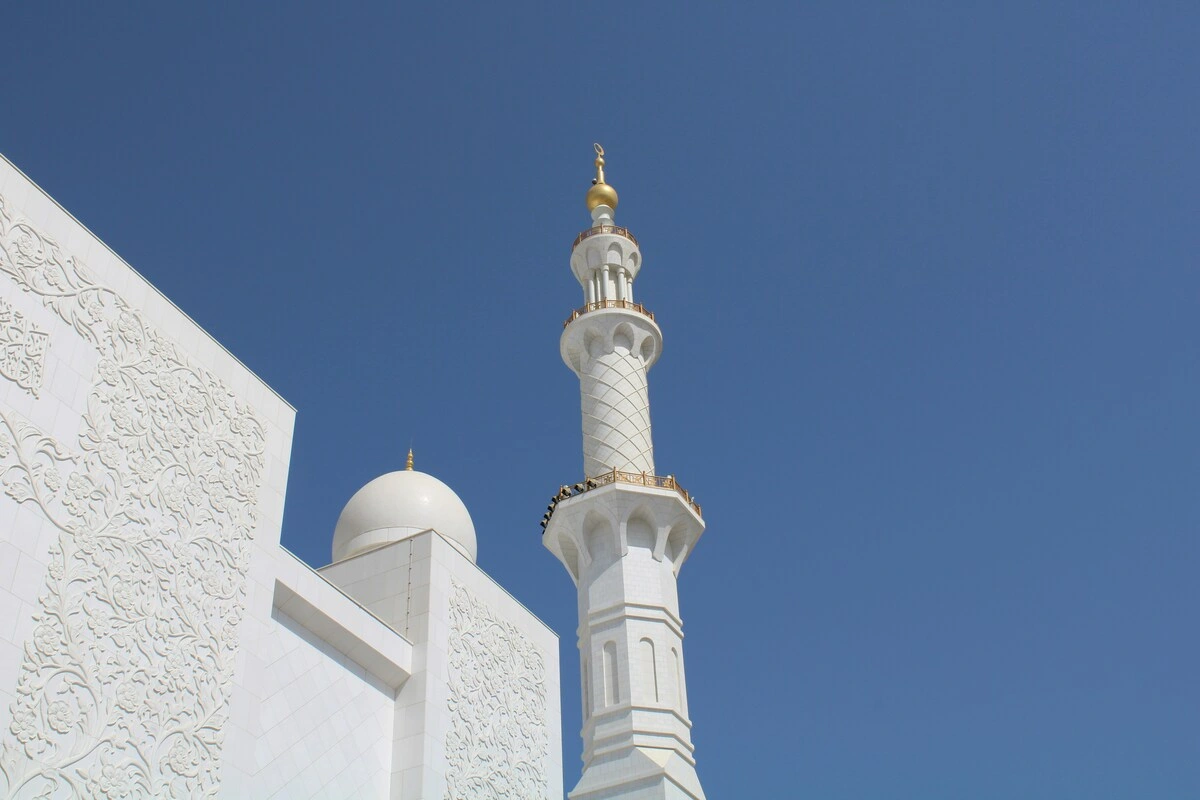
As Ramadan slips into its final evenings, lanterns dim, prayers stretch longer into the night. Anticipation begins to shimmer across cities and villages alike. Eid al-Fitr is approaching. And while the holiday marks the same spiritual milestone everywhere, its expression is anything but uniform.
Yet while its spiritual meaning is shared, its celebrations are shaped by place. Eid unfolds in textures, flavours, and rituals shaped by culture.
To explore these traditions is to see culture in motion. It reveals how history, migration, and local identity infuse a universal celebration with distinct character. The result is a tapestry of customs that feels both intimate and expansive.
Here, seven countries where the celebration takes on a character entirely its own.
Bajram at Dawn in Kosovo
Bajram begins early. The air is cool, the streets are hushed, and men depart for communal prayers while kitchens come alive at home. Pite, borek, baklava, and rice pudding are prepared for a day that moves fluidly between neighbours and extended family. There is a deliberate elegance to the rhythm: prayer, greetings, breakfast, tea, then hours of visiting. The celebration is intimate, domestic, and deeply rooted in hospitality.
Egg game in Afghanistan
Eid carries resilience. After prayers, families gather outdoors for Tokhm-Jangi, a spirited egg-tapping game played with hard-boiled eggs. It’s playful, competitive, and unexpectedly stylish in its simplicity. The cracking of shells is followed by bursts of laughter.
Festival of sweets in Turkey
In Turkey, Eid is known as Şeker Bayramı — quite literally, the “Festival of Sweets”. After morning prayers, families gather in crisp attire, doors open, and tables are dressed in polished trays of baklava and Turkish delights. Children make rounds through their neighbourhoods with respectful holiday greetings in exchange for candies and confections. The gesture is simple, but the atmosphere is unmistakably tender — one of warmth, generosity, and old-world charm.
Turkey Guide: Exploring Istanbul
Lebaran and the ritual of forgiveness in Indonesia
Lebaran is as emotional as it is festive. At sunrise, worshippers gather in mosques and open fields across Jakarta, Yogyakarta, and beyond in white garments, catching the morning light. But what defines Lebaran is the ritual of forgiveness. Families bow slightly, hands clasped, asking to be absolved of past wrongs. It’s a moment of humility and renewal. Homes fill with the fragrance of ketupat, rendang, and opor ayam. Children collect envelopes of “THR”, laughter travels between houses, and entire neighbourhoods feel suspended in reunion.
Moonlight and mehndi in India
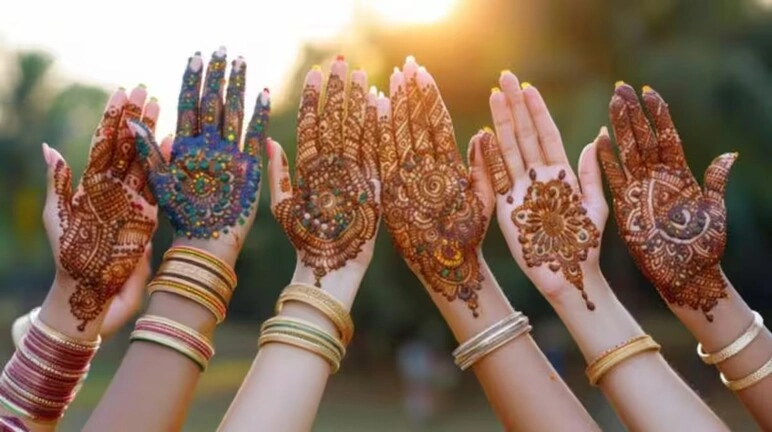
The celebration begins with Chaand Raat, or the night the crescent moon is sighted. Markets glow under strings of lights, glass bangles clink softly, and women adorn their hands with intricate henna designs. By morning, families gather around dishes of sevai and sheer kurma, sweet vermicelli simmered in milk and perfumed with cardamom. The mood is celebratory, scented, and steeped in anticipation fulfilled.
Mosaic of traditions in the United States
Eid reflects the global heritage of its Muslim communities. There is no singular way to celebrate — Pakistani, Egyptian, Indonesian, Somali, and Turkish influences coexist under one skyline. While not universally recognised as a public holiday, mosques and Islamic centres host large-scale prayers and gatherings, transforming parking lots and prayer halls into spaces of shared joy. The result is layered and diasporic.
Tribute to heritage in China
China’s Muslim population, largely from the Uyghur and Hui communities, marks Eid with reverence and remembrance. Many travel to the tomb of Sayyid Ajjal Shams al-Din Omar in Yunnan Province, the statesman credited with introducing Islam to the region. Families clean the grounds together before reciting the Qur’an — a ritual that feels both historical and intimate, faith woven into legacy.