



 Mirella Pandjaitan
 Mar 05, 2026
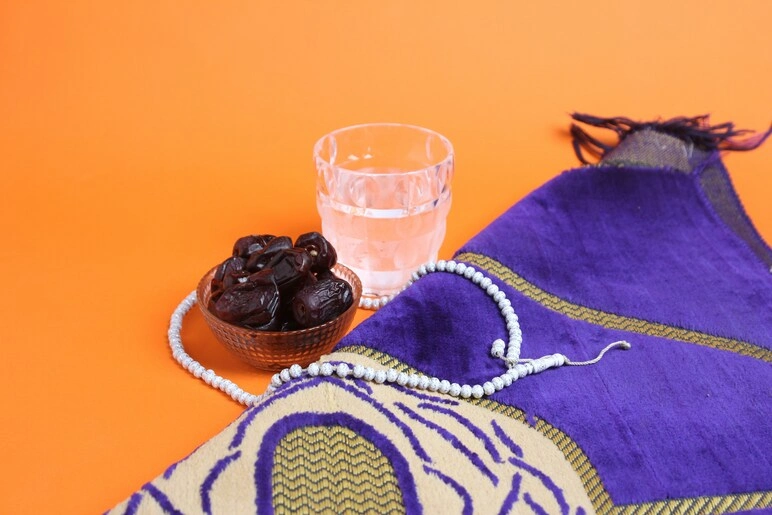
The number of hours to fast during Ramadan varies depending on where a city is located in the world. Fasting could last around 13 to 14 hours a day in Southeast Asia, for example. Head further north, however, and daylight stretches dramatically. In parts of Northern Europe, Muslims fast for 16 to 19 hours, long, luminous days that test endurance in a way few tropical countries ever experience.
Yet what unravels after sunset is something quietly beautiful. Across these cities, Ramadan carries a distinct mood shaped by climate, culture, and diaspora communities where the stillness of extended daylight gives way to intimate gatherings, lantern-lit mosques, and tables layered with comfort food from across continents. The hours may be longer, but the essence remains universal: patience, community, and the shared relief of that first sip of water when the sun finally sets.
Here’s where fasting days run longest — and what Ramadan feels like on the ground.
Astana, Kazakhstan: Around 15 hours
Ramadan combines Central Asian hospitality with religious devotion in Astana. Iftar commonly features beshbarmak (tender meat served over noodles) alongside bread and hot tea. Extended family gatherings are central, with evenings stretching into slow, meaningful conversations.
Berlin, Germany: Over 16 hours
Berlin, particularly districts like Neukölln, takes on a noticeable Ramadan rhythm. Halal bakeries extend their hours, selling fresh pide and baklava before iftar. Streets grow livelier after sunset, as families head to mosques or gather at long dining tables layered with Turkish, Arab, and Balkan favourites.
Copenhagen, Denmark: 17-18 hours
Copenhagen’s Ramadan atmosphere is shaped largely by its Turkish and Middle Eastern communities. As sunset finally arrives, restaurants in certain neighbourhoods fill quickly with families ordering shawarma plates, warm pide bread, and syrup-drenched desserts. Homes glow softly behind windows as tea is poured and stories are exchanged.
Visit Copenhagen: 10 Must-See Landmarks
Helsinki, Finland: Up to 19 hours
Finland records some of the world’s longest fasting hours for up to 19 hours. In Helsinki, mosques become cultural crossroads. Somali, Turkish, Arab, and Balkan communities host communal iftars where sambusas, grilled meats, and fragrant rice fill long tables. When the call to prayer echoes close to 10 pm, the sense of collective relief is palpable.
London, United Kingdom: Over 17 hours
London’s Ramadan nights are dynamic and multicultural. In East London especially, restaurants stay open late, selling biryani, samosas, grilled meats, and kunafa. Mosques organise large community iftars, while families gather in homes that reflect Pakistani, Bangladeshi, Arab, and African culinary heritage.
Moscow, Russia: 16 hours
Ramadan is observed on a grand scale as large mosques host hundreds for iftar, where plov (pilaf), samsa pastries, and steaming soups are served in generous portions. The evening feels structured, communal, and deeply rooted in tradition.
Nuuk, Greenland: Around 17 hours
Ramadan in Nuuk feels almost surreal under the vast Arctic sky. With limited congregational spaces, iftar is usually observed at home among close circles. Lamb stews, rice, and hot tea anchor the evening meal, offering comfort against the cold. It is less about spectacle, more about resilience and reflection.
Oslo, Norway: Over 17 hours
Despite the length, Ramadan nights in Oslo feel communal. Mosques host open iftars, and families linger long after prayers over mezze, lentil soup, and sweet pastries. The cool Nordic air makes the first sip of water at sunset feel especially significant.
Northern Lights: Best Places to See Them
Reykjavík, Iceland: 17-18 hours
The sky barely darkens in late spring here. The Muslim community is small, which makes Ramadan deeply personal. Evenings are centred around the mosque, where families gather quietly to break their fast with dates, soup, and shared home-cooked dishes. The atmosphere is understated but warm.
Stockholm, Sweden: 17-18 hours
Stockholm’s Ramadan evenings feel calm and contemplative. Many Muslims gather in community halls tucked into residential districts. Iftar spreads normally reflect migration stories — Kurdish stews, Bosnian pastries, Middle Eastern grills. Outside, the city remains bright well into the night, creating a curious blend of daylight and devotion.