


 Mirella Pandjaitan
 Dec 11, 2025
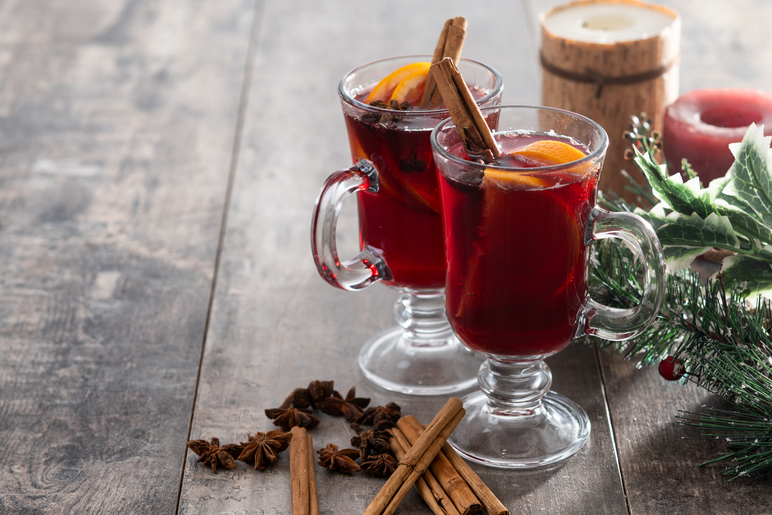
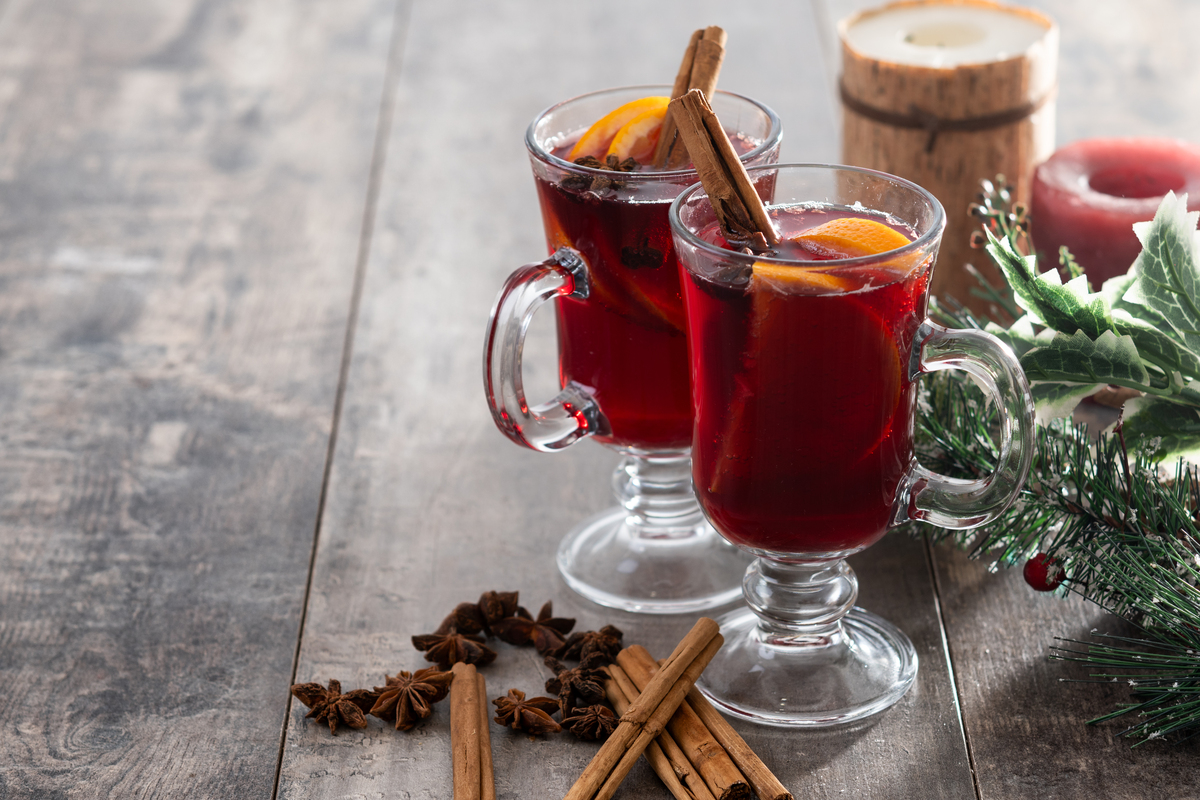
‘Tis the season to enjoy the spice and warmth of mulled wine!
Fragrant, ruby-hued and quietly decadent, it’s the kind of drink that softens the edges of a cold evening and turns an ordinary night into something almost ceremonial. Though it may not be freezing cold where you live, mulled wine is a sensory pleasure that can be savoured even in the comfort of your couch.
How did this Christmas delight get its soothing accolade? We have to give the Romans some credit.
The origins of mulled wine
They warmed their wine as a defense against winter’s bite, long before mulled wine perfumed festive markets and après-ski terraces, precisely in the 2nd century. As their empire stretched across Europe, so too did this new ritual: a cup of heat, spice, and solace carried from one province to the next.
By the Middle Ages, the drink had evolved into a kind of liquid medicine cabinet. Europeans blended hot wine with spices believed to ward off illness, then softened the rough edges of rustic vintages with herbs and wildflowers. What began as a practical tonic slowly transformed into a seasonal pleasure.
The tradition faded across much of Europe—except in Sweden, where the ritual only deepened. The Swedish monarchy popularised its own regal variations: claret sweetened with honey and spice, and the intriguingly rich lutendrank, a velvety mix of wine, milk and aromatics. As recipes diversified, one name began to unite them all: glögg, first recorded in 1609. By the 1800s, the addition of cognac ushered in an era of even more spirited glögg.
Then came the 1890s. Glögg entwined itself with Christmas, becoming inseparable from the season. Wine merchants bottled their secret recipes, adorning labels with jolly red-cheeked Father Christmas figures. These bottles travelled across the continent, reintroducing Europe to mulled wine with a new, festive sheen.
An international superstar
Over the next century, the drink became an international phenomenon. Every culture spun its own interpretation—crafted with red wine, white wine, sangria, vermouth or port. A global tapestry of warm, fragrant traditions emerged.
Today, mulled wine remains a cherished winter companion, usuallly alongside its orchard-born sibling, mulled cider. And while its origins are deeply European, its variations now circle the globe.
Below, a world tour of winter warmth to the season’s most storied spiced wines.
A Danish Touch on Modern Gløgg
In Denmark, gløgg embodies the soul of hygge. For the Danish, this drink is the ultimate Danish comfort entailing warm red wine infused with Christmas spices, raisins and almonds, often brightened with a splash of schnapps or rum. White gløgg—made with elderflower, white wine and rum—has recently become a chic winter favourite.
Germany’s Market Classic: Glühwein
Glühwein is the beating heart of the Christmas markets in Germany. Shoppers wrap cold hands around steaming mugs of spiced wine, wandering through medieval squares lit with fairy lights. German reds like Spätburgunder complement glühwein’s boldly spiced profile, featuring cinnamon, cloves, star anise and citrus.
Then there is Feuerzangenbowle: theatrical, nostalgic, and quintessentially German. A cone of sugar, soaked in rum, is suspended above glühwein and set ablaze, dripping caramelised sweetness into the wine below.
Italy’s Alpine Romance: Vino Caldo / Vin Brûlé
Italy’s mulled wine straddles borders and centuries. Officially vino caldo, but often called by its French cousin vin brûlé, it's most beloved in the alpine regions of Veneto, Trentino-Alto Adige and Friuli, where the mountains demand something warming and soulful. Local reds—Valpolicella, Schiava, Dolcetto—form the backbone of Italian mulled wine. It can comprise layers of cinnamon, cloves, juniper, star anise, citrus, pear, apple and late-season plum. Pair it with roasted chestnuts if you will!
The French Alpine Classic: Vin Chaud
In the French Alps, vin chaud is a chic après-ski ritual—drier, brisker and more citrus-forward than many of its European cousins. Honey often replaces sugar, lending a soft alpine floral sweetness. Regional wines form its base: merlot in the southwest, syrah in the northern Rhône, grenache further south. The result is elegant, bright, and often served simply with a cinnamon stick and a slice of orange.
The Nordic Expression: Glögg
Across the Nordics, glögg is less a drink and more a ritual as it’s an indicator of the holiday season beginning to stir. Glögg appears just when the air begins to shimmer with winter anticipation. Nordic glögg leans into its aromatics: cardamom, ginger, bitter orange, cloves and cinnamon. Tradition calls for serving it with slivered almonds and plump raisins, sometimes soaked overnight in aquavit or brandy for a warming “extra kick”.
The British Tradition
British mulled wine evokes Dickensian nostalgia filled with citrus, clove and nutmeg wafting through cosy rooms. Today, a modern renaissance of spice kits curated with muslin bundles of cinnamon, allspice, lemon peel and cloves have made at-home mulling delightfully accessible. In minutes, a simple bottle becomes a perfumed holiday ritual.
Make mulled wine at home
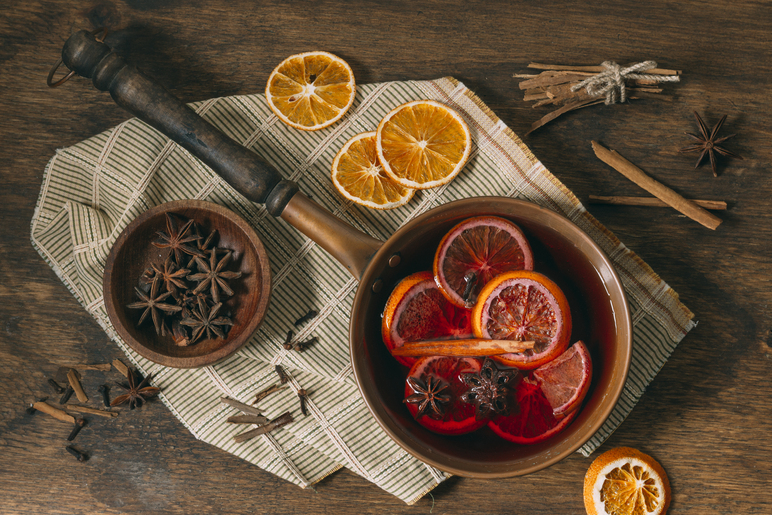
Now is your chance to curl up with a glass (or more) of mulled wine at home! This is the classic version that's unfussy, beautifully aromatic, and deeply rooted in European tradition. Think of it as winter in a glass.
Ingredients (Serves 4–6)
1 bottle (750 ml) soft, fruit-forward red wine
1 orange, sliced into delicate rounds
6–8 whole cloves
2–3 cinnamon sticks
2 whole star anise
¼ cup honey or sugar, added to taste
½ cup brandy, for a luxurious lift
A few thin slices of fresh ginger (optional, but lovely)
Method
1. In a heavy pot, combine the wine with the orange slices, spices and sweetener. Set over low heat—just warm enough to coax out aroma without ever letting it boil.
2. Allow the mixture to gently heat for 20–30 minutes, inviting the spices to soften and bloom. Let it steep into an endearing fragrance.
3. Add the brandy and stir it just before serving. It lends a quiet depth and an elegant warmth that anchors the spices.
4. Remove the whole spices and pour into heatproof glasses or ceramic mugs. Garnish with an orange wheel or a cinnamon stick—simple touches make it feel festive.
Some notes on perfection
Regardless of the tradition you follow, great mulled wine follows a few universal truths:
- Choose a wine with plush fruit and gentle tannins.
- Never let it boil and keep your mixture below a simmer for richness and depth.
- Choose whole spices. Ground spices muddle the clarity of the wine and overwhelm the palate.
- Sweeten with intention. Add honey or sugar gradually, letting the flavours unfold.
- Let it rest. Even 30 minutes of steeping deepens the aromatics dramatically.
- Add a thoughtful splash of spirit. A touch of brandy, aquavit or rum (1–2 oz per bottle) enhances warmth and complexity.