


 Mirella Pandjaitan
 Jul 27, 2026

The beauty of travelling draws attention to quirky finds in what the locals dub ordinary. But that “ordinary” doesn’t entirely ring true to an expat. Think about it, whenever you visit some place new for the first time, there’s bound to be a tiny detail that doesn’t immediately click. Even among neighbouring nations with shared roots, subtle cultural differences can still feel surprisingly unfamiliar.
Culture shock arises from the contrast between everyday habits and social norms in one’s home country and those of another. Arriving in Indonesia is seldom seen uneventful. Expats in Indonesia notice them, too. The smallest, most everyday rituals tend to be shaped by subtle yet meaningful social nuances, something many of them quickly come to realise.
Before setting foot in the archipelago, many expats already come armed with their own informal “rulebook”—a quiet guide to what to do, and perhaps more importantly, what to avoid. Cultural differences, while enriching, can also lead to unexpected missteps and a sense of disorientation.
However, culture shock in Indonesia rarely feels overwhelming. Consider it as a series of small adjustments that gradually reshape how you experience daily life! With a little patience, curiosity, and openness, what once felt unfamiliar begins to feel intuitive. And somewhere along the way, the differences stop being surprising — and start becoming the reason you stay.
Thus, what exactly tends to catch expats off guard when living and exploring Indonesia?
A different approach to the bathroom
One of the most immediate surprises is the use of bidets or water dippers in toilets. In many Western countries, toilet paper is the norm; encountering water-based cleansing—whether through a handheld bidet spray or a small bucket—can feel unfamiliar. Squat toilets, still common in certain areas, add another layer of novelty for those accustomed solely to seated ones.
Addressing others has its own hierarchy
In Indonesia, acknowledging seniority, whether by age, status, or profession, is considered essential. Directly calling elders by their name may be considered impolite or even culturally inappropriate, reflecting deeper beliefs tied to identity and respect. Greet older men with “Pak” (Mr.) and older women with “Bu” (Mrs.), followed by their name, as a sign of courtesy and cultural awareness.
A love affair with spice
Flavour, here, comes with heat. Indonesian cuisine is celebrated for its rich use of spices, but it can be intensely bold and sometimes unapologetically spicy for unaccustomed palates. It’s not uncommon to see first-time visitors visibly overwhelmed by the heat of sambal-laden dishes. That said, many restaurants in tourist-friendly areas now present milder variations, allowing travellers to experience the flavours of the archipelago without the full intensity.
Calls to prayer adorn the area
Five times a day, the country pauses gently, but unmistakably. The calls to prayer, broadcast from mosques across the country, are a defining part of daily life in the world’s largest Muslim-majority nation. The sound may feel unexpected at first for first-timers, but it soon becomes part of the country’s soundscape.
Everyday moments become occupations
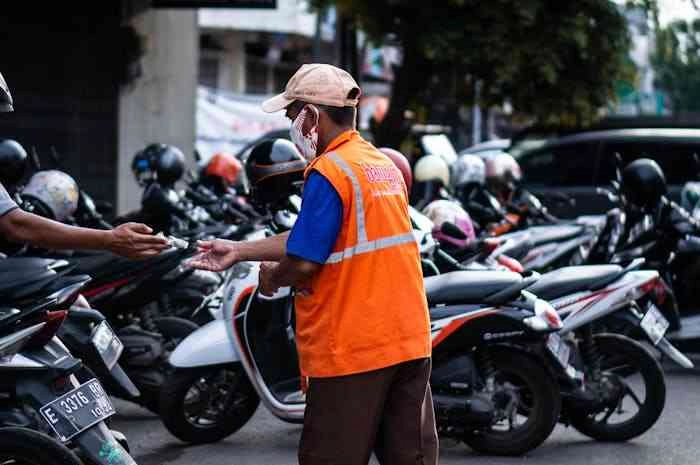
Indonesia has a way of turning small services into livelihoods. You may notice informal parking attendants guiding cars into tight spaces, or individuals managing traffic flow in narrow streets with nothing more than a whistle and a gesture. A small tip is typically expected in return. While it may feel unusual at first, these roles reflect a broader culture of resourcefulness — where initiative often creates opportunity.
Fuel is sold in bottles
Big cities and rural areas all have glass or recycled mineral water bottles filled with petrol displayed outside small roadside stalls. Access to formal petrol stations can be limited. As a result, makeshift “mini fuel stations” have emerged to serve local needs. This could be for emergency use when a petrol station is dispersed tens of kilometres away. Called as bensin eceran (retail fuel), people buy petrol from official stations in large containers, then resell it by the litre.
Hands are for eating
Utensils take a back seat in some settings. Certain traditional eateries encourage dining with your hands, which is a tactile, sensory way of experiencing food that is deeply rooted in local culture. It may feel unfamiliar initially, but many find it unexpectedly enjoyable (and yes, more delicious).
“Jam Karet” is time reimagined
Time, in Indonesia, stretches. The phrase jam karet (literally “rubber time”) captures a more flexible approach to schedules. Meetings may begin later than planned, and delays are often met with understanding rather than urgency. What might initially feel frustrating gradually reveals a different priority: relationships over rigidity, connection over clock-watching.
Navigate the bureaucracy
Patience, here, becomes a quiet virtue. Administrative processes in Indonesia can feel layered and, at times, slow-moving — particularly for expats arranging visas, permits, or official documents. What might seem straightforward elsewhere frequently requires additional steps, signatures, or time. Rather than frustration, many long-term residents learn to approach it with flexibility — or seek guidance from local experts who understand the system’s nuances.
Rice, always on the table
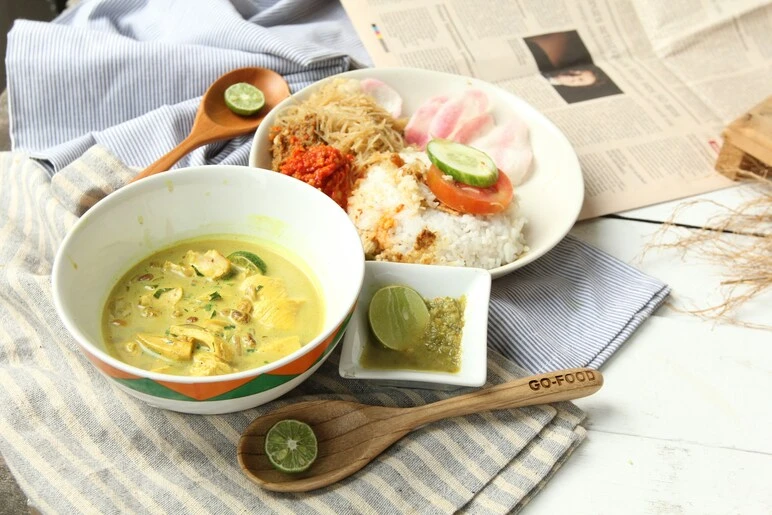
Indonesia’s deep-rooted rice culture is another point of fascination. For many locals, a meal doesn’t quite feel complete without rice for breakfast, lunch, and dinner. The idea of rice at every meal can feel unexpectedly substantial when an expat is accustomed to bread, pasta, noodles, or any staple carbohydrates, particularly in the morning or late evening when lighter fare is normally preferred.
Sheer presence of “angkot”
Angkot is short for angkutan umum, which translates to public minibuses. Filling up the streets across Indonesia (with and/or without air conditioning), these richly hued vehicles serve different routes based on their designated numbers painted on the front and back sides.
The curious case of “kobokan”
Another small but memorable moment of confusion repeatedly occurs at the dining table. The bowl of water provided for washing hands (known locally as kobokan) is sometimes mistaken by newcomers as drinking water. It’s a simple misunderstanding, and one that locals are usually quick (and amused) to gently clarify.
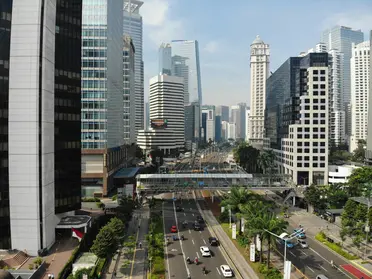
Traffic, in all its glory
In cities like Jakarta, traffic is less a condition and more a phenomenon. Congestion is part of the urban fabric, especially during weekends and peak hours. Motorbikes weave effortlessly between cars, with a confidence that feels both impressive and slightly chaotic to newcomers. It may take time to adjust, but eventually, the movement reveals its own logic.
Unexpected warmth
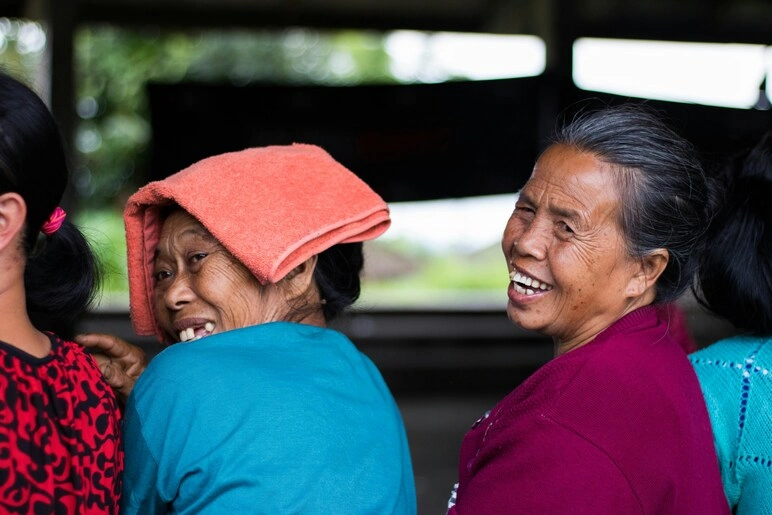
Perhaps the most striking yet pleasantly surprising aspect for many expats is the warmth of Indonesian hospitality. Indonesians are known for their friendliness, a genuine openness that extends easily to strangers. Smiles are frequent, conversations flow naturally, and hospitality feels instinctive rather than performative. Even without a shared language, locals tend to greet travellers with genuine smiles and a willingness to help. This openness can feel both unfamiliar and deeply refreshing for those hailing from more individualistic cultures.
Use the right hand to give and receive items
Giving and receiving items are indeed simple gestures. But in Indonesia, they carry significance, reflecting long-standing traditions of respect and politeness. Give and receive with your right hand—avoid with the left! The left hand is traditionally associated with personal hygiene, so it’s considered less appropriate for social exchanges. When in doubt, simply use your right hand — or both hands together — and the gesture will always be well received.