



 Mirella Pandjaitan
 Jan 07, 2026
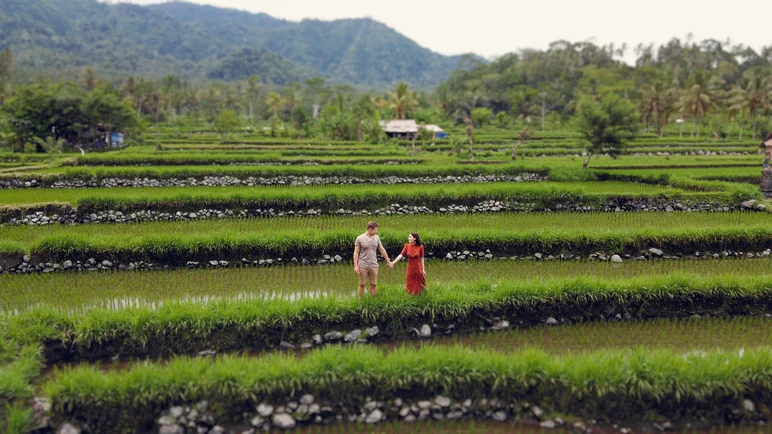
Global tourism is shifting, and the change is as stylish as it is significant. Today, travellers are seeking experiences that feel authentic, sustainable, and enhanced by technology. Millennials and Gen Z—digital natives to the core—are leading this transformation, driving interest in eco-tourism, wellness retreats, adventure sports, and even MICE (Meetings, Incentives, Conferences, and Exhibitions). Meanwhile, technologies like AI, IoT, and AR/VR are quietly reshaping the journey itself, creating travel that is more personal, seamless, and immersive than ever.
According to Indonesia’s Ministry of Tourism, 2026 will see both domestic and international visitors craving trips that are meaningful and genuine. While international travellers are drawn to cultural immersion, eco-conscious adventures, and nature-based experiences, domestic travellers favour culinary and gastronomic journeys alongside cultural exploration—seeking comfort, flavour, and relaxation close to home. Across both segments, the common thread is simple: the desire to explore, engage, and experience destinations firsthand.
Here are six standout trends defining the future of travel in Indonesia.
Culinary and gastronomy tourism
Indonesia’s culinary scene has evolved into more than a complement to sightseeing—it’s a reason to travel. For domestic travellers, the draw lies in immersive experiences: traditional food festivals, hands-on cooking classes, and farm-to-table meals in picturesque tourism villages. International visitors, meanwhile, are captivated by the stories behind the dishes, using food as a gateway to the soul of a destination.
Villages like Candirejo (Magelang), Pujon Kidul (Malang), and Bonjeruk (Lombok) have perfected participatory culinary journeys, where travellers follow a dish from planting to harvest, cooking, and finally the shared table—an intimate encounter with both food and community.
Cultural immersion
Travellers are no longer content with passive sightseeing. Cultural immersion invites visitors to step fully into local life, participating in daily rhythms, traditional ceremonies, and artisanal practices.
Tourism villages such as Nglanggeran (Yogyakarta), Tamansari (Banyuwangi), Tetebatu (East Lombok), and Wae Rebo (Manggarai, East Nusa Tenggara) showcase community-based cultural tourism. Here, staying in a homestay, joining daily activities, and learning local philosophies are all part of an experience that is both enriching and unforgettable.
Eco-friendly tourism
Sustainability is no longer optional—it’s expected. Eco-friendly tourism in Indonesia is growing, underpinned by the country’s extraordinary biodiversity and natural wealth. Travellers are increasingly drawn to eco-certified accommodations, destinations with integrated waste management, and experiences that allow hands-on conservation—from tree planting to coral reef restoration.
Pulau Macan in the Thousand Islands demonstrates how sustainability can coexist with luxury. Solar energy, composting toilets, and conservation programs seamlessly integrate with a premium guest experience, proving that responsible travel can feel effortless and indulgent.

Nature and adventure-based tourism
Indonesia’s landscapes remain among its greatest draws. But today’s travellers are seeking experiences that go beyond scenic vistas: volcano trekking (geotourism), caving, scuba diving, and liveaboard excursions offer adventure with depth.
Skyscanner reports that 71 per cent of global travellers are eyeing mountain destinations for summer and autumn 2026, and Indonesia is responding. Mount Rinjani National Park in Lombok offers innovative trekking programs with tree planting, trail clean-ups, and zero-waste principles—making every adventure both thrilling and meaningful.
Wellness tourism
Wellness travel has moved beyond indulgence—it is now about holistic wellbeing, offering space for physical, mental, and spiritual restoration. Across Indonesia, travellers can find offerings that are at once luxurious, thoughtful, and restorative.
Bali leads with spa retreats, yoga, meditation, and aromatherapy. Jakarta and West Java offer organic spa experiences alongside yoga and Pilates, perfect for short wellness breaks.
Bleisure (business + leisure)
The rise of bleisure travel reflects a growing desire for work-life harmony. Business trips are increasingly extended for exploration, relaxation, and cultural engagement.
Cities like Yogyakarta, Denpasar, and Bandung now serve as workation hubs, with resorts and coworking spaces catering to both productivity and leisure. Meanwhile, MICE events in Jakarta and Bali often include curated city tours, culinary experiences, and wellness activities—lengthening stays while adding both economic and experiential value.