


 Stallone Tjia
 Sep 21, 2026
Indonesia’s hospitality scene has received another major international recognition, with 47 hotels and resorts earning MICHELIN Keys in the 2026 MICHELIN Guide selection. Announced on 18 September 2026, the latest selection marks an increase from 33 Indonesian properties recognised in the previous edition.
The MICHELIN Key is the hotel distinction from the MICHELIN Guide, recognising properties that stand out for their overall guest experience. Inspectors consider five key elements, including architecture and interior design, service, personality and character, value, and the hotel’s contribution to its surroundings.
For Indonesia, the 2026 selection is divided into three levels: Three MICHELIN Keys for an Extraordinary Stay, Two MICHELIN Keys for an Exceptional Stay, and One MICHELIN Key for a Very Special Stay.
Three MICHELIN Keys
The highest distinction goes to three Indonesian properties, recognised for what MICHELIN describes as “An Extraordinary Stay.”
NIHI Sumba — Sumba, East Nusa Tenggara
Amanjiwo — Magelang, Central Java
Mandapa, a Ritz-Carlton Reserve — Ubud, Bali
These three properties represent Indonesia’s highest level of MICHELIN Key recognition in 2026, spanning a remote island retreat, a luxury resort overlooking the Borobudur landscape and a riverside sanctuary in Ubud.
Two MICHELIN Keys
Eleven Indonesian hotels and resorts received Two MICHELIN Keys, described by MICHELIN as “An Exceptional Stay.”
Amankila — Bali
The Sanchaya — Riau Islands
The Apurva Kempinski Bali — Bali
Soori Bali — Bali
Capella Ubud — Bali
Four Seasons Hotel Jakarta — Jakarta
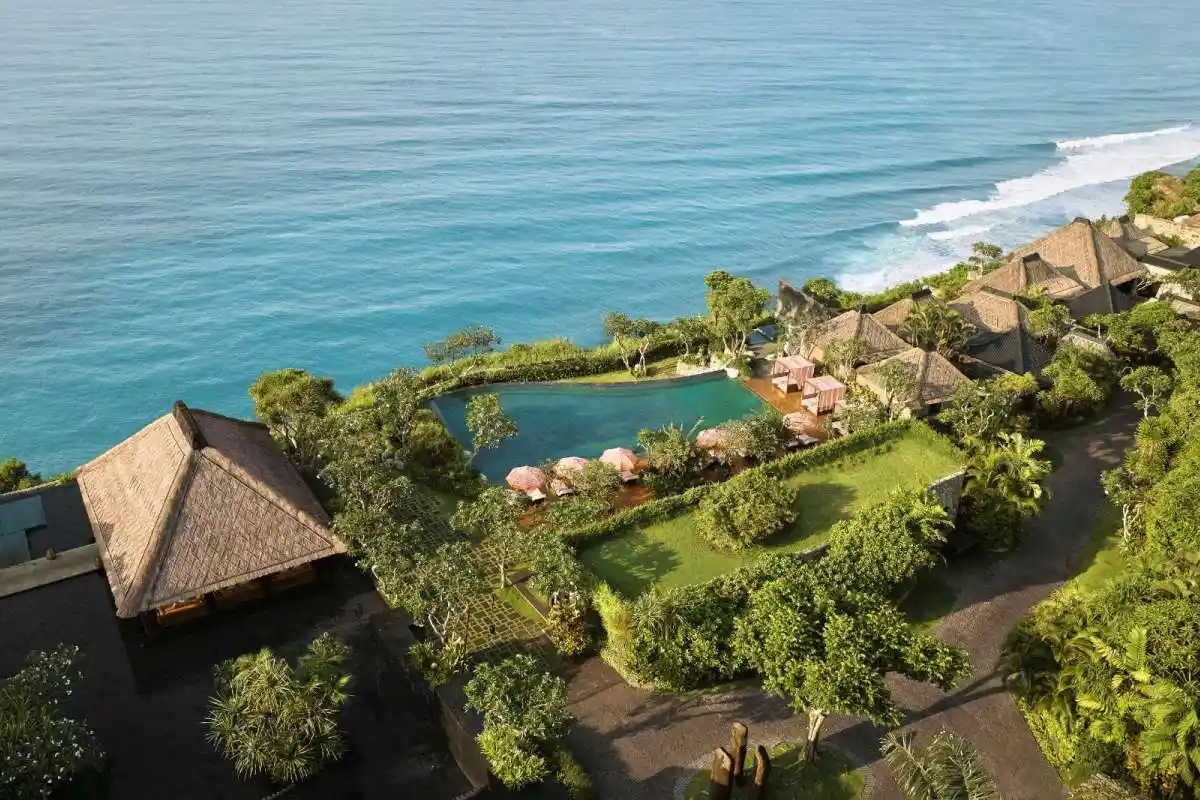
Bvlgari Resort Bali — Bali
Four Seasons Resort Bali at Jimbaran Bay — Bali
Buahan, a Banyan Tree Escape — Bali
The Langham Jakarta — Jakarta
Raffles Bali — Bali
The Two-Key selection is largely concentrated in Bali, alongside luxury city hotels in Jakarta and The Sanchaya in the Riau Islands.
One MICHELIN Key
The largest group comprises 33 Indonesian hotels and resorts awarded One MICHELIN Key, representing “A Very Special Stay.”
Como Shambhala Estate — Bali
Capung Sebali — Bali
Amandari — Bali
Viceroy Bali — Bali
Bisma Eight Ubud — Bali
Plataran Komodo Resort and Spa — Labuan Bajo
Desa Potato Head Bali — Bali
Blue Karma Village — Bali
Cap Koroso — East Nusa Tenggara
Hotel Tugu Lombok — Lombok
La Reserve 1785 Canggu — Bali
Lost Lindenberg — Bali
The Puri Villas and Spa — Bali
Revivo Wellness Resort Nusa Dua Bali — Bali
Nirjhara — Bali
Jimbaran Puri, A Belmond Hotel, Bali — Bali
Samsara Ubud — Bali
The Ridge Bali — Bali
The Legian Seminyak — Bali
Raffles Jakarta — Jakarta
Hotel Le Temple Borobudur — Central Java
The Dharmawangsa Jakarta — Jakarta
Four Seasons Resort Bali at Sayan — Bali
Innit Lombok — Lombok
Garrya Bianti Yogyakarta — Yogyakarta
The St. Regis Jakarta — Jakarta
The Ungasan Clifftop Resort — Bali
Jumeirah Bali — Bali
Desa Hay Canggu — Bali
Park Hyatt Jakarta — Jakarta
Taaktana, a Luxury Collection Resort & Spa, Labuan Bajo — Labuan Bajo
The Orient Jakarta, a Royal Hideaway Hotel — Jakarta
The St. Regis Bali Resort — Bali
The One-Key selection stretches across Indonesia’s major hospitality destinations, from Bali and Lombok to Labuan Bajo, Yogyakarta, Borobudur and Jakarta.
Indonesia’s growing MICHELIN Key collection
The 2026 results put Indonesia among Southeast Asia’s most represented destinations in the MICHELIN Key selection, with 47 recognised hotels and resorts, second only to Thailand’s 70 properties. Globally, the 2026 selection features 2,832 MICHELIN Key hotels, including 2,020 One-Key, 657 Two-Key and 155 Three-Key properties.
The increase from 33 recognised Indonesian properties in the previous edition to 47 this year reflects the expanding range of Indonesian hotels being considered for the distinction. The selection covers everything from remote island retreats and jungle hideaways to design-focused resorts and luxury city hotels.
For travellers looking to explore Indonesia through its most distinctive stays, the 2026 MICHELIN Keys offer a new way to discover the country’s hospitality landscape, with properties recognised across three levels of experience.