

 Mirella Pandjaitan
 Jul 27, 2026
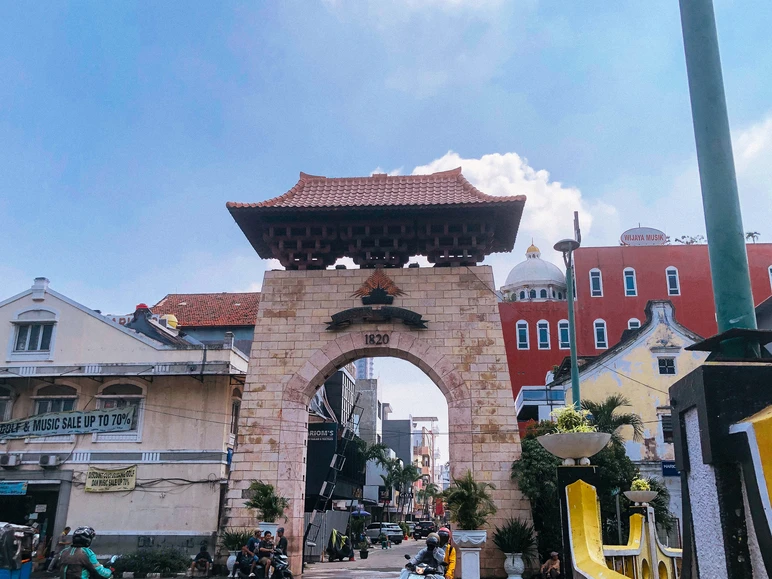
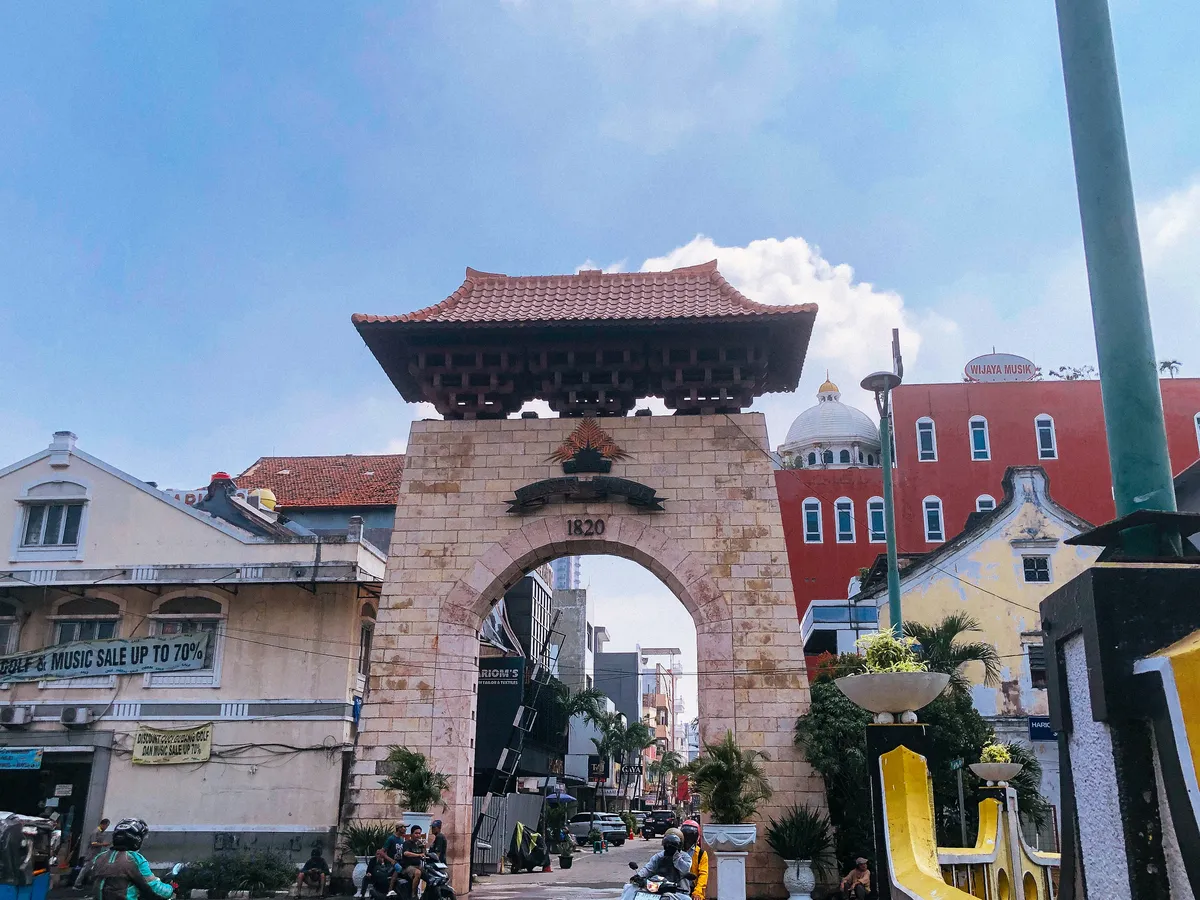
In a city increasingly defined by shopping malls and modern retail centres, Pasar Baru continues to stand apart. Jakarta's oldest shopping district remains the destination people seek out when they're looking for something specific.
Wander through its covered arcades, step into long-established storefronts, and allow curiosity to lead the way. Every corner reveals another reason why this historic shopping street continues to draw loyal shoppers more than 200 years on.
About Pasar Baru
Founded by the Dutch colonial government in 1820, Pasar Baru was conceived as a new commercial district just beyond the walls of Old Batavia. Its strategic location soon attracted merchants from Chinese, Indian, Arab, European, and indigenous communities, transforming the area into one of the city's busiest trading corridors. More than 200 years later, traces of that multicultural heritage remain woven into the neighbourhood, evident in its architecture, culinary traditions, and remarkable diversity of specialist retailers.
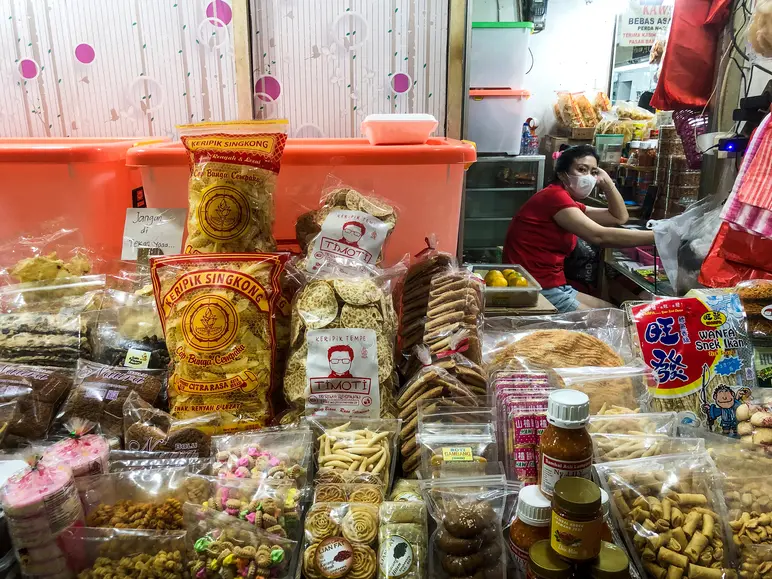
Pasar Baru adapted by remaining true to its strengths: expertise. Many of its businesses continue to be operated by second- and third-generation owners whose reputations have been built through craftsmanship, trust, and personal service. Customers still travel here specifically to commission tailored clothing, purchase quality leather shoes, source traditional textiles, repair treasured watches, or browse stores dedicated entirely to one particular craft.
Getting to Pasar Baru
Situated in Central Jakarta, Pasar Baru is well connected to the city's public transportation network, making it easily accessible from various parts of the capital.
1. By KRL Commuter Line
The nearest railway station is Juanda Station, located approximately five minutes on foot from Pasar Baru's main entrance.
- Take a direct train terminating at Jakarta Kota from Bogor or Depok.
- Transfer at Manggarai Station before continuing toward Juanda from Bekasi or Cikarang.
- From Tangerang, transfer via Duri before continuing to Juanda.
2. By TransJakarta
Several TransJakarta routes stop within walking distance of Pasar Baru, including Halte Pasar Baru and Halte Juanda. Popular routes include:
- Corridor 2 (Pulogadung-Monumen Nasional)
- Corridor 2A (Pulogadung-Rawa Buaya)
- Corridor 5C (Cililitan-Juanda)
- Corridor 8 (Lebak Bulus-Pasar Baru)
3. By MRT Jakarta
Although Pasar Baru is not directly connected to the MRT network, visitors can alight at Bundaran HI Bank DKI Station before continuing via TransJakarta, KRL, taxi, or ride-hailing services.
What to find in Pasar Baru
Unlike modern malls where retailers often overlap, nearly every corner of the district has developed its own speciality. What could they be?
Admire Indonesia's rich textile heritage
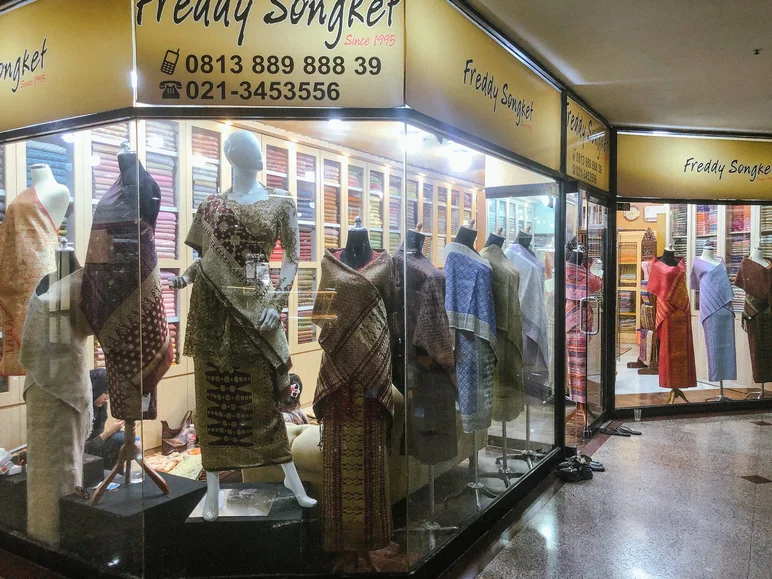
Wander through its rows of fabric merchants, and you'll find an impressive selection that attracts designers, boutique owners, dressmakers, and families preparing for weddings or important celebrations from across the country. Among the highlights are intricately woven songket from North Sumatra (found in Istana Pasar Baru), alongside lace, brocade, embroidery, premium cotton, silk blends, batik, and dress fabrics in virtually every colour, texture, and finish imaginable. Shopkeepers possess an encyclopaedic understanding of their collections, often recommending fabrics based on occasion, silhouette, and drape.
A haven for vintage watch collectors
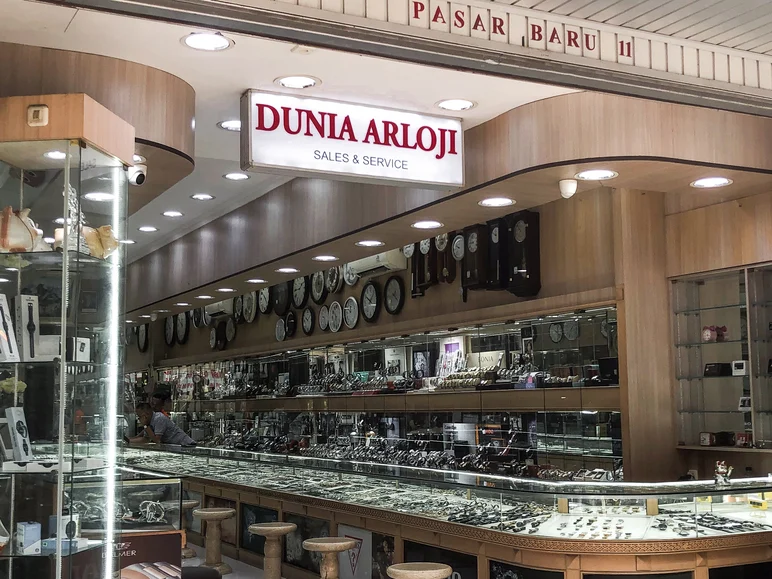
Scattered throughout the pedestrian arcade and inside Metro Atom are independent dealers displaying carefully maintained collections of vintage timepieces, such as dependable Japanese classics by Seiko, Citizen, Orient, and Casio, as well as elegant Swiss mechanical watches that have quietly survived generations. Many dealers are collectors themselves, happy to explain production years, movement types, restoration work, and the history behind particular models. Several shops also provide servicing, battery replacement, polishing, and repairs.
Browse elegant gold and silver jewellery
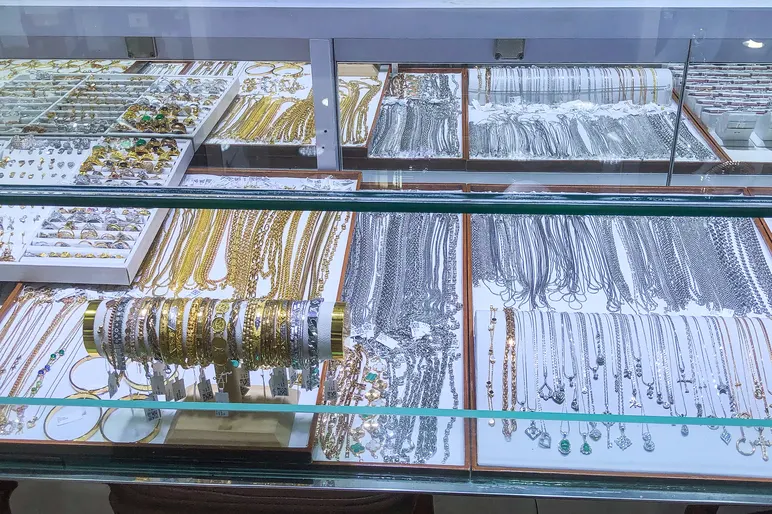
Pasar Baru has long been associated with fine jewellery, with gold and silver merchants forming an integral part of the district's commercial identity for decades. Browse elegant displays of necklaces, bracelets, rings, earrings, and custom-made pieces, ranging from timeless everyday designs to intricate jewellery for weddings and special occasions. Many of these family-run businesses have earned the trust of loyal customers through generations, offering personalised service and craftsmanship.
Hunt for thrifted fashion finds
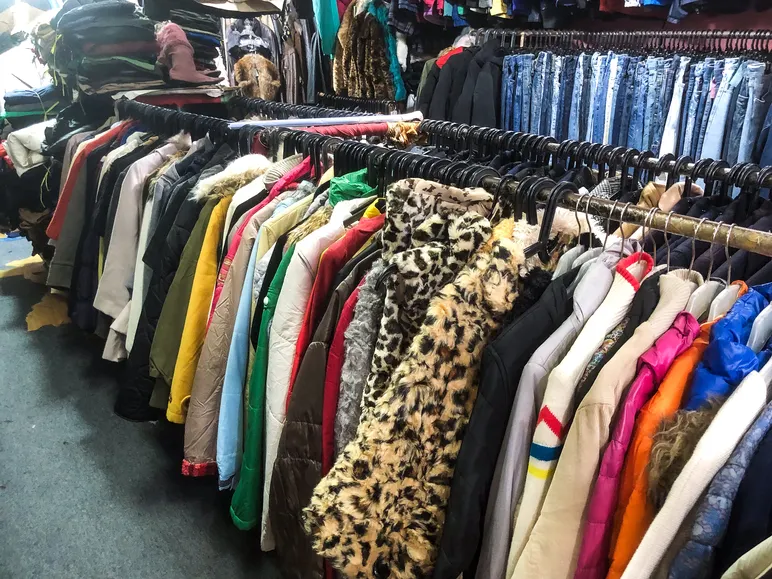
Metro Atom’s third floor is filled with carefully organised racks of thrifted clothing: oversized sweaters, varsity jackets, vintage sportswear, dresses, denim, graphic T-shirts, trousers, and timeless outerwear for both men and women. Unlike curated vintage boutiques elsewhere in Jakarta, shopping here feels more like a treasure hunt. One rack may reveal a retro Adidas windbreaker, another an oversized knit from decades past, while tucked further inside are well-preserved leather jackets and collectable branded pieces waiting to be rediscovered. Prices commonly begin from Rp15,000 to Rp25,000, although rarer imports and branded garments naturally command higher prices.
Rediscover the charm of digital cameras
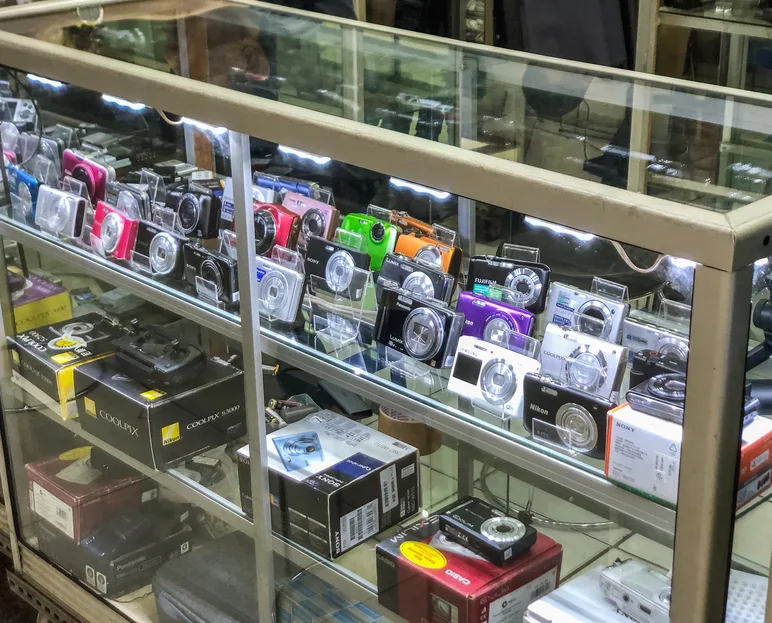
Hidden inside Metro Atom's second floor are specialist retailers carrying everything from early-2000s CCD cameras to more recent compact models by Canon, Sony, Fujifilm, Olympus, Nikon, Casio, and Panasonic. Many cameras are sold second-hand in various conditions. Most stores stock batteries, chargers, memory cards, carrying cases, replacement cables, and other accessories, while experienced shopkeepers may recommend models according to budget and shooting style. Prices generally begin from around Rp1.5 million, depending on the brand, specifications, rarity, and overall condition.
Savour legendary flavours between shopping stops
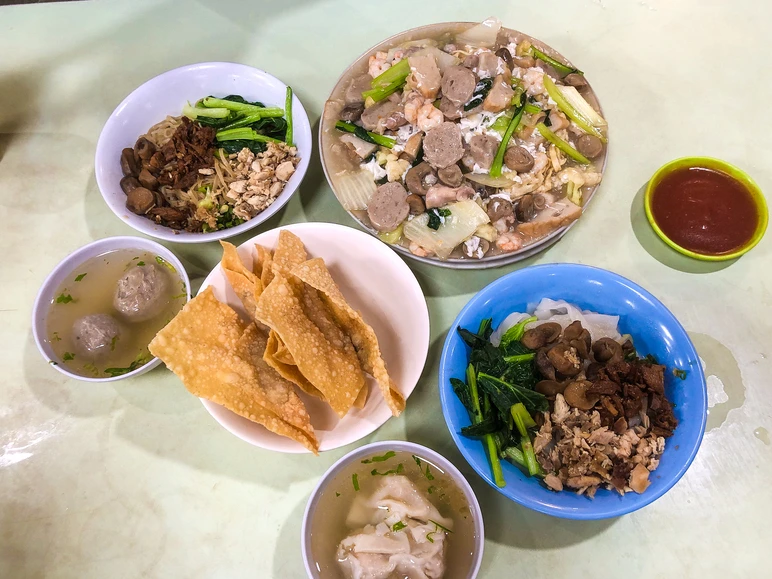
The district's culinary identity is built upon heritage eateries that have become institutions in Jakarta, while a growing collection of contemporary cafés adds a refreshing contrast to the historic surroundings. Among its best-known names are Bakmi Gang Kelinci, serving its signature handmade noodles since 1957, and Cakue Ko Atek, where freshly fried Chinese-style dough sticks remain crisp on the outside, light within, and best enjoyed while still warm. Newer establishments such as AMS DAM Café and Toko Kopi Maru have introduced speciality coffee and modern interiors without overshadowing the neighbourhood's culinary heritage.
Shop where salon professionals do
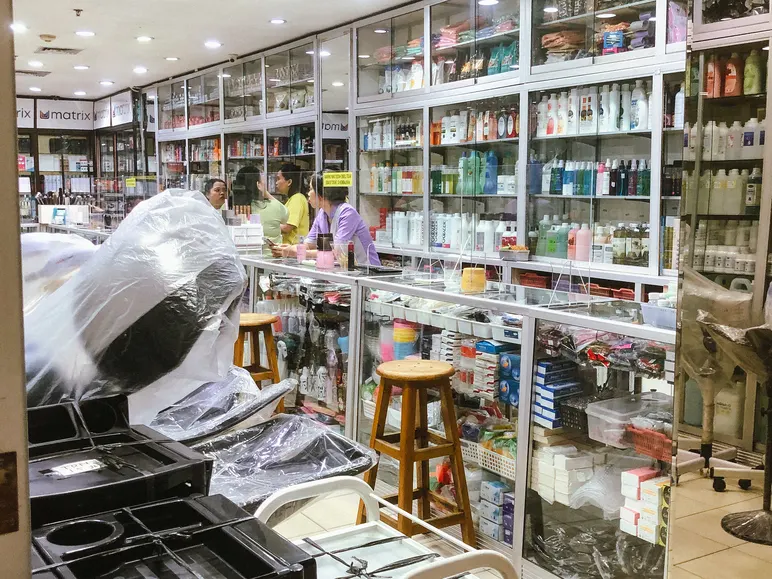
Beyond fashion, professional salon equipment and beauty supplies are also abundant. Retailers stock salon chairs, shampoo stations, mirrors, trolleys, hair-washing equipment, shampoos, conditioners, styling products, scissors, clippers, curling irons, straighteners, and other tools used daily by professional hairstylists. One particularly well-known name is Agus Service, a longstanding repair workshop trusted by salon owners throughout Jakarta. Rather than replacing expensive styling equipment, many professionals bring broken hairdryers, curling irons, clippers, and straighteners here for repair.
Slip on a piece of Jakarta's legendary shoemaker
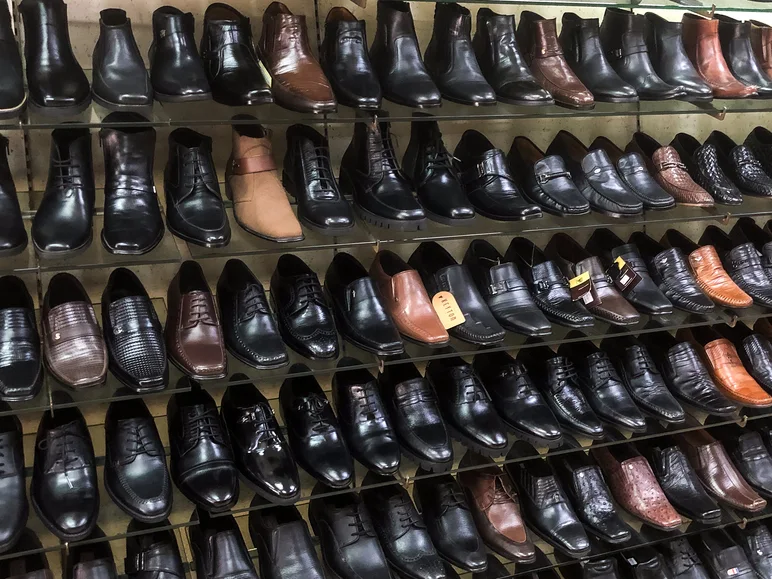
Few names carry as much weight in Pasar Baru as Sin Lie Seng. Established in the mid-20th century, the family-run shoemaker has become one of Jakarta's most respected footwear institutions, earning a loyal following long before international brands entered Indonesia. Politicians, business executives, professionals, and customers from across the country continue returning for leather shoes celebrated for their durability, comfort, and understated elegance. Sin Lie Seng focuses on timeless craftsmanship, thoughtfully constructed using quality leather and traditional shoemaking techniques, resulting in footwear designed to last for years rather than seasons.
Step inside Jakarta's revamped Central Post Office at Pos Bloc
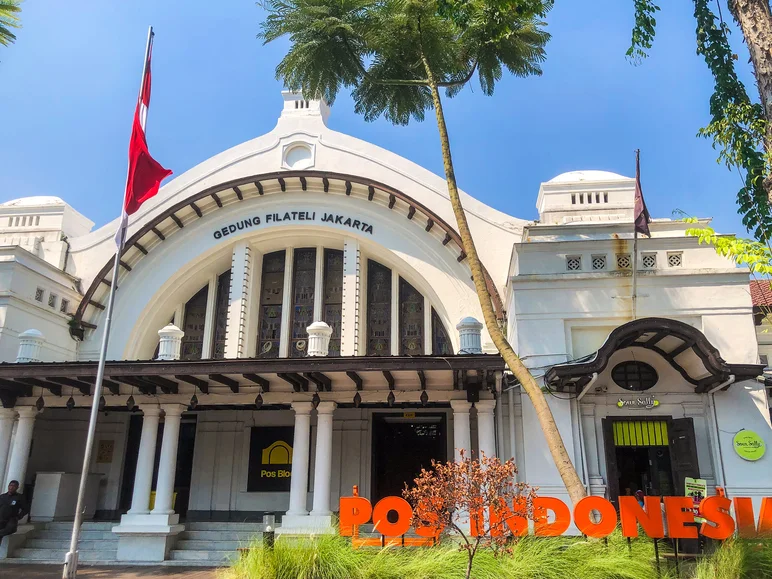
Occupying Jakarta's beautifully restored Central Post Office, the heritage landmark has been thoughtfully transformed into one of the capital's most dynamic creative destinations. Original architectural elements—including soaring ceilings, arched windows, and colonial detailing—have been carefully preserved, allowing the building's historic character to remain front and centre. Today, it houses independent cafés, local lifestyle brands, exhibitions, design studios, artisan retailers, and regular community events that attract visitors throughout the week.
Tailor a wardrobe made just for you
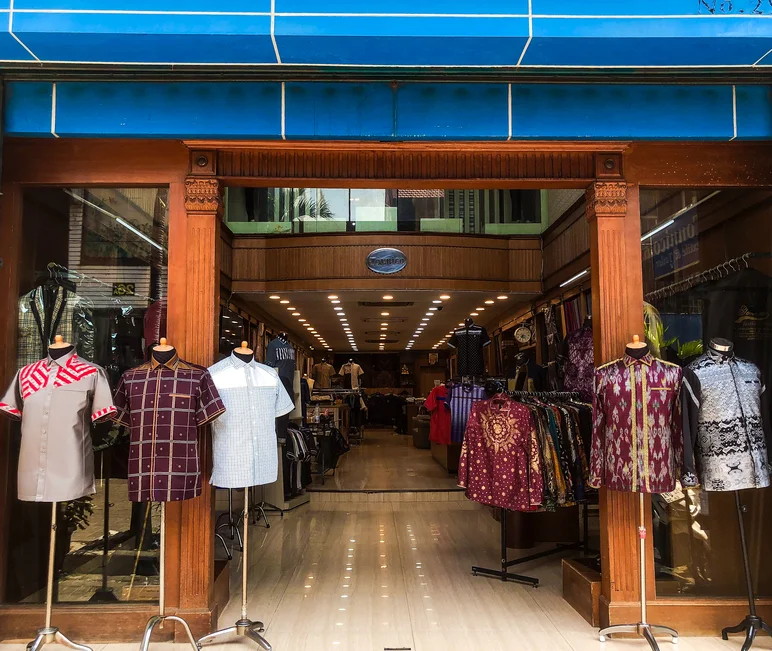
Along the covered arcade are tailoring houses that have dressed generations of loyal clients, producing business suits, tuxedos, uniforms, kebaya, traditional attire, and everyday garments tailored precisely to individual measurements. Many workshops remain family-owned, with experienced tailors guiding customers through fabric selection, fittings, and finishing touches. Some have served diplomats, business leaders, wedding parties, and public figures for decades.
Take home a hand-painted caricature
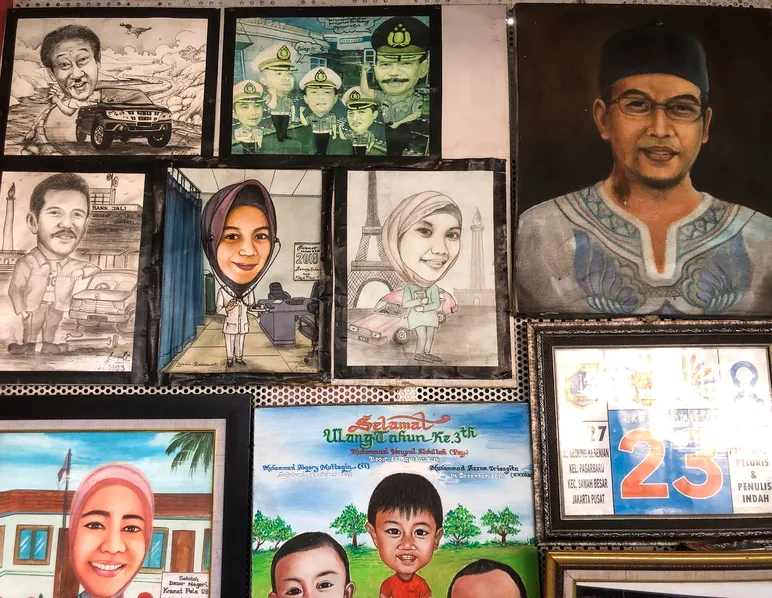
Just beneath the Pasar Baru TransJakarta bus stop, a row of local artists continues the longstanding tradition of hand-painted caricatures. Each portrait is drawn by hand and tailored to the subject's features and personality. Prices generally range from Rp1.5 million to Rp2.5 million, depending on the size and level of detail, with most commissions requiring two to three days to complete.
Pasar Baru shopping essentials
1. Ask the shopkeepers, as they possess an extraordinary depth of knowledge. So, don’t hesitate to ask about product origins, recommendations, maintenance, or custom services.
2. Bring cash alongside digital payments (QRIS and card payments) because some smaller family-run shops may still prefer cash.
3. Compare before purchasing since differences in craftsmanship, materials, and pricing often become apparent after a little browsing.
4. Explore beyond the main pedestrian arcade and scout hidden areas inside Metro Atom, upper-floor corridors, and smaller side passages.
5. Pace yourself—pause for coffee, enjoy a leisurely meal, browse a little longer than planned, and allow yourself to wander into stores you hadn't intended to visit.