

 Mirella Pandjaitan
 Mar 04, 2026
In Indonesia, the weather is not merely a backdrop. It’s a living, breathing element of the experience.
Cradled by the Equator and brushed by warm ocean winds, Indonesia basks in an everlasting summer, emulating a symphony of heat, humidity, and luminous skies that drapes the archipelago in its signature tropical allure. Here, temperatures remain remarkably even throughout the year, lending each island a sun-soaked ease. In the mist-draped highlands, where valleys give way to volcanic silhouettes, the climate softens into cool, refined whispers with an average of 26°C.
Temperature, humidity, and the sensuality of the tropics
Indonesia enjoys twelve hours of near-perfect daylight year-round, with sunrises and sunsets lingering around 6 AM and 6 PM.
Humidity jigs between 70 per cent and 90 per cent, lending the air a soft, velvety warmth. Winds remain generally mild and predictable, with storms and typhoons rarely posing a significant threat—though dramatic thunderstorms are part of the archipelago’s tropical charm.
The dance of wet and dry
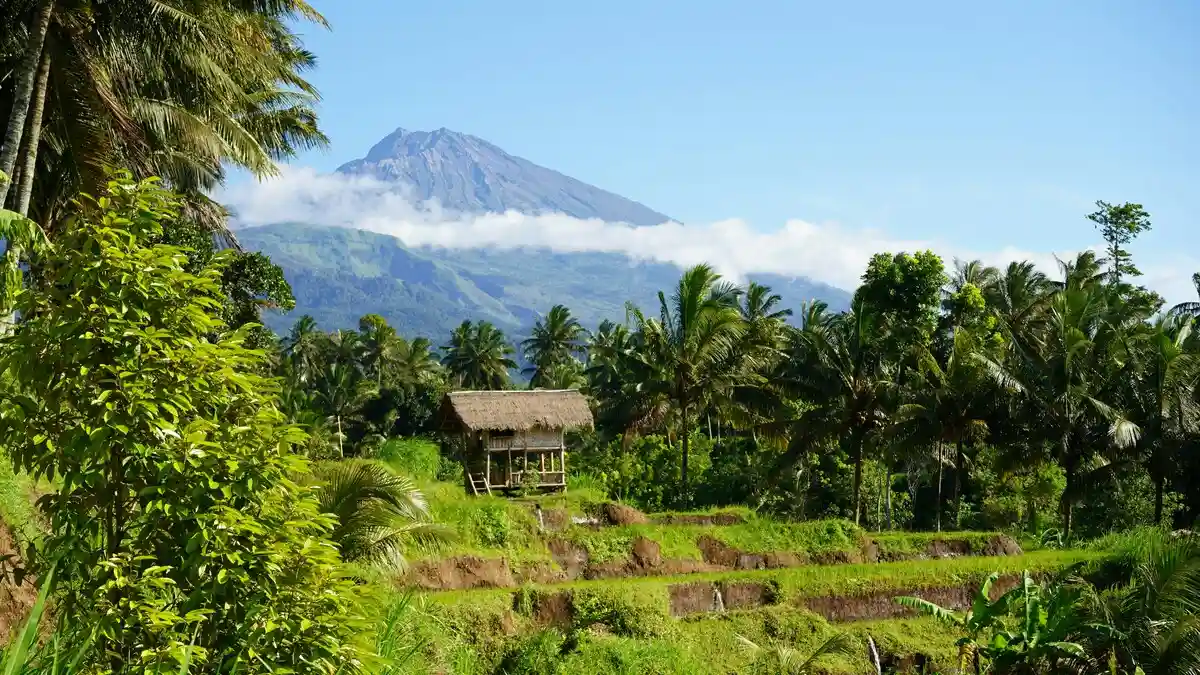
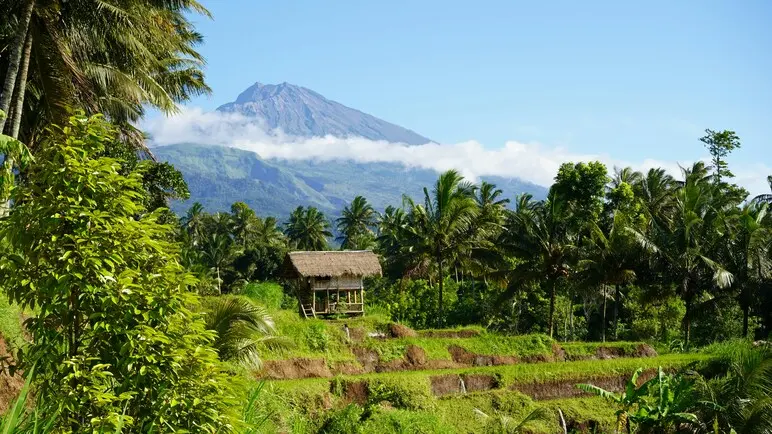
While the heat holds steady, the rhythm of rainfall reveals Indonesia’s true complexity. Instead of the four classic seasons, the archipelago lives by two: the dry season and the rainy monsoon. These cycles, sculpted by shifting winds, define everything from cascading rice terraces to sultry coastal plains, stitching together one of the world’s most diverse landscapes.
Indonesia’s climate is therefore choreographed by two monsoons: the northeast and the southwest. Their shifting arrival dates create a meteorological ballet across the islands.
The dry season unfolds with subtlety. It begins in the southeastern islands and slowly unfurls toward the northwest, ushering in clearer skies and golden days ideal for island-hopping, mountain treks, and languid afternoons by the sea.
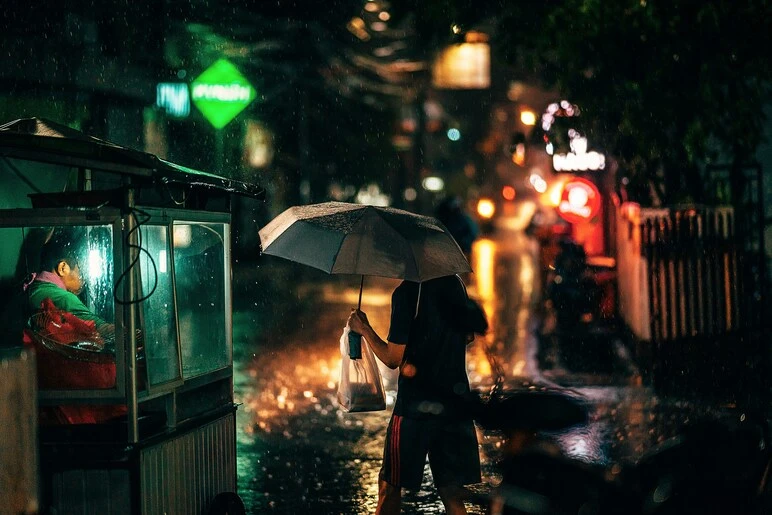
The wet season sweeps in decisively, carried by the northwest monsoon—arriving as early as August in the country’s upper reaches and trailing into December for the southeast. When the monsoon lingers, the rainy months stretch luxuriously long, nourishing dense jungles and filling riverbeds to the brim. Do note that during the northern hemisphere’s winter (December to February), cool air from Siberia sweeps toward Australia, bringing a wave of humidity that settles over the islands.
Rainfall across Indonesia varies dramatically, though, thanks to the monsoon’s moods. Thus, each region in the country is unique in both scenery and seasonal character.
Volcanoes: Indonesia’s fiery architects
The archipelago sits atop a dramatic ring of geological power. With 147 volcanoes, 76 of which are active, Indonesia holds one of the world’s richest volcanic landscapes stretching from Sumatra and Java to Sulawesi and the Lesser Sunda Islands.
Volcanic eruptions, though awe-inspiring, leave subtle fingerprints on the global climate. Ash clears within days or weeks, but sulfur dioxide lofted into the stratosphere can induce temporary cooling, while carbon dioxide contributes to warming trends. Historically, major eruptions have nudged global temperatures downward by up to half a degree.
When to Visit? Always
With today’s shifting climate patterns, Indonesia’s weather increasingly resists strict categorisation. Either way, one truth endures: there is no wrong time to visit. The “best” moment depends entirely on what you seek—sun-drenched beaches, wildlife encounters, cultural festivals, or world-famous surf.
May is the month of the golden balance
May ushers in the summer’s radiant onset. Light showers still visit the islands, but they are brief, gentle, and refreshing. The skies stretch wide in brilliant blue, and the air warms to luxurious highs. Sunblock becomes essential; hydration, a stylish necessity. Only Kalimantan stands aside, cloaked in its brief rainy season from March to May.
Additional climate notes
1. High moisture regions in the northern and western islands experience lush humidity and mist-laden air.
2. Heaviest rainfall is seen in West Java, Kalimantan, Papua, Sulawesi, and Sumatra, sometimes triggering landslides.
3. Islands closer to Australia—such as Nusa Tenggara—receive notably less rainfall.
4. La Niña often brings a wetter-than-usual dry season.
5. Mini tornadoes, or what the locals call “puting beliung”, remain rare and fleeting.
6. Occasional storms between September and December may bring intense winds and rain.
7. Sumatra can reach up to 34°C—sensual, sizzling days defined by golden light.
8. Unpredictable weather, as it may shift from bright morning sunshine to moody evening rains.
9. Winds are stronger during the day in the dry season, softening at night.
Packing for Indonesia’s climate
Even first-time travellers can pack with casual ease. Extreme temperatures are rare, except at high altitudes, where brisk mornings invite a sweater.
Bring:
- A rain jacket or waterproof layer if travelling during the monsoon
- Comfortable hiking shoes for mountain or volcano treks
- Insect repellent because mosquitoes are perennial residents and may carry dengue
- Lightweight clothing
- Sunscreen or sunblock (the tropical sun is indulgently intense)